Author: wpadmingjth

  • Best Trails for Mount Rainier Day Trip: A Practical Hiking Framework

    At a Glance

    • Focus on one core area for a Mount Rainier day trip, choosing an anchor hike and a short add-on for flexibility.

    • Paradise offers meadow walks and big views with the Skyline Trail as a highlight.

    • Sunrise provides high-elevation viewpoints and ridgelines for more alpine scenery.

    • Plan around daylight, drive time, and weather variability for the best experience.

    • Consider family-friendly options with shorter, scenic hikes and flexible pacing.
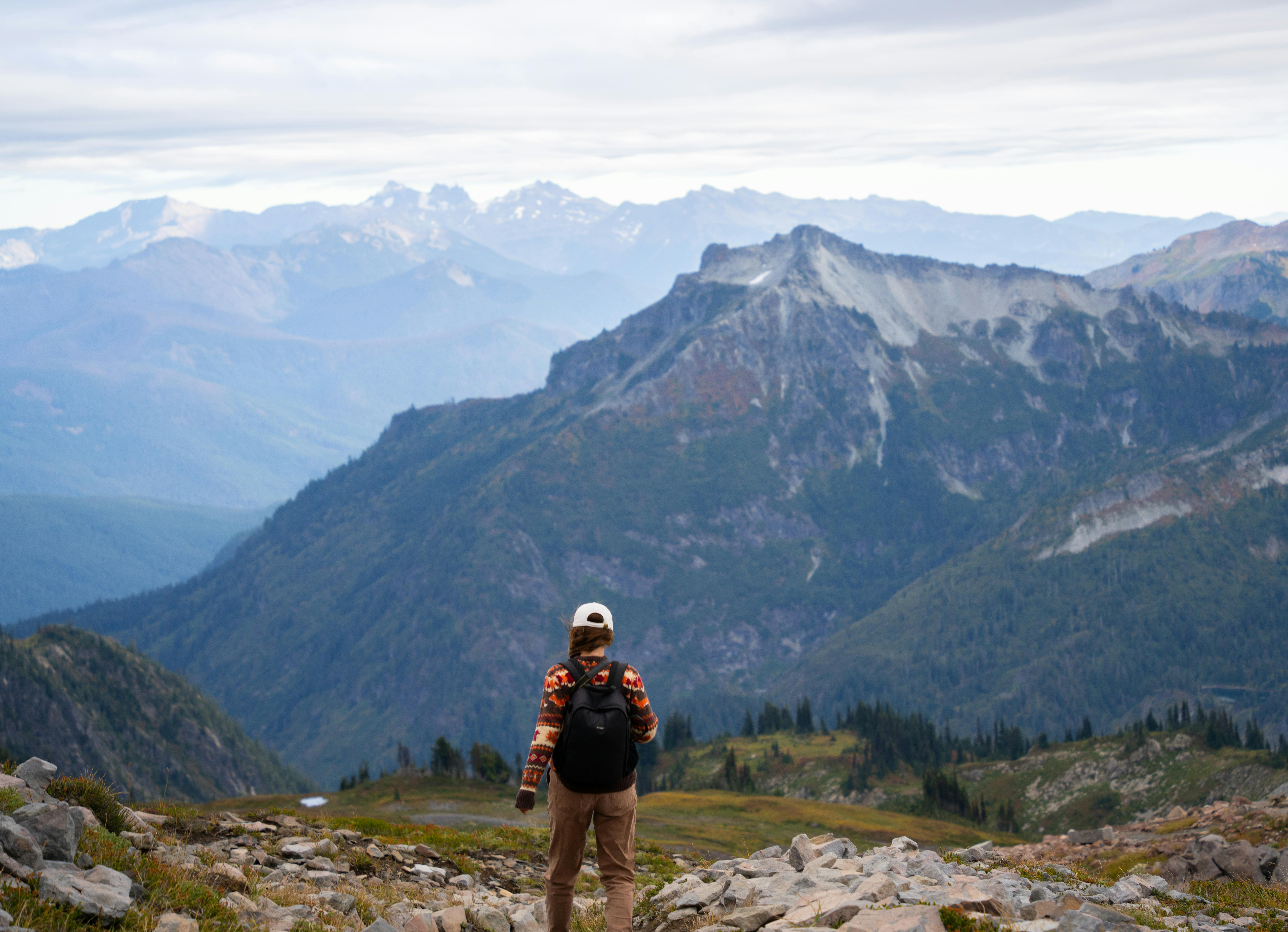
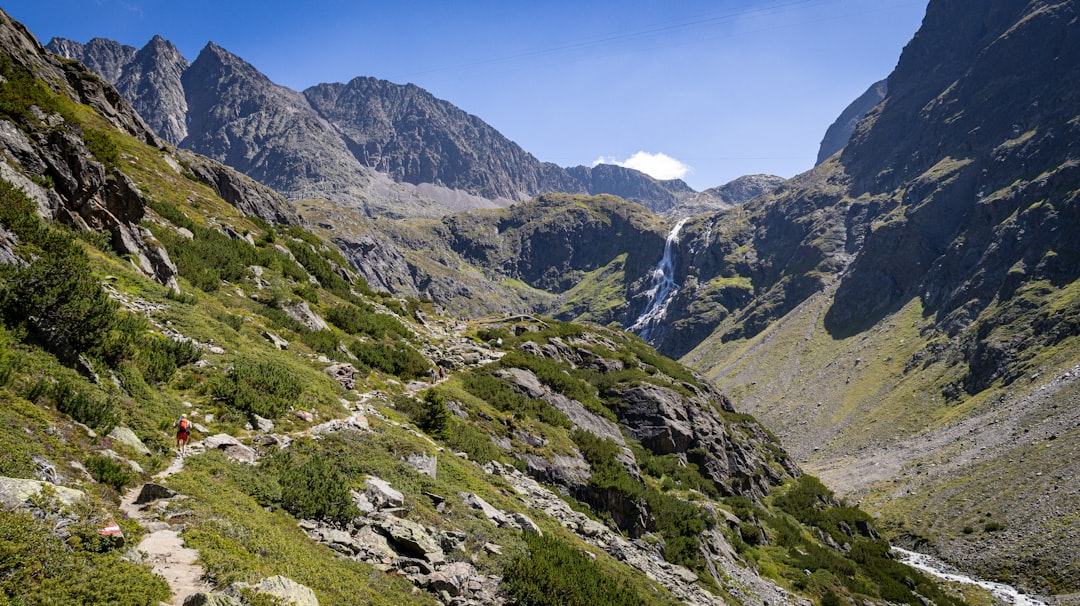
    Mount Rainier alpine meadow trail Paradise area soft afternoon light

    A Mount Rainier day trip can be simple and still feel expansive if you choose one core area and build your day around a small set of hikes. This guide focuses on the best trails for Mount Rainier day trip planning, with a trail-first approach that helps you match scenery, effort, and time on feet.

    We plan these days the same way we plan any strong hiking day: pick a primary trail objective, add a short nature walk as a backup or bonus, and keep a little margin for weather variability. That structure works for first-timers, photography-focused travelers, and anyone trying to balance Mount Rainier hiking with the realities of daylight, drive time, and changing mountain conditions.

    Because Mount Rainier National Park has distinct visitor areas, the “best” choice often depends on where you start, what kind of day hikes Mount Rainier you like, and whether you want meadows, viewpoints, or forested nature trails Mount Rainier.

    For broader hiking inspiration beyond Washington, we keep our global hiking resources updated here: Ultimate Hiking Guide.

    How we choose the best trails for a Mount Rainier day trip

    The most reliable way to decide what are the best trails for Mount Rainier day trip goals is to start with constraints, not hype. On a day trip, your limiting factors are usually drive time, parking, and how long you want to be on trail.

    We use three filters for best hikes in Mount Rainier planning:

    • One anchor hike that defines the day (your main effort and main views)

    • One short add-on for flexibility (a quick loop or viewpoint)

    • One weather hedge (a forested option if higher elevations are socked in)

    This framework also helps when you’re comparing mountain trails Washington offers across the Cascade Range. A day that is structured well tends to feel longer, calmer, and more scenic.

    If you’re coming from the city, it’s also useful to know there are strong scenic hikes near Seattle for other days, like Rattlesnake Ledge, Mount Si, and Snoqualmie Falls, but Mount Rainier hiking has a different scale and a different feel.

    Mount Rainier day trip planning essentials (Seattle-based and region-wide)

    Most visitors use Seattle as a base for exploring the Cascade Range, including Mount Rainier and the North Cascades. Seattle–Tacoma International Airport (SEA) is the primary regional gateway, and Seattle is the main hub for road-based day trips.

    A few practical planning anchors keep how to plan a hiking trip to Mount Rainier from becoming overly complicated:

    • Transportation: A rental car or private vehicle is the typical way to day trip into the park.

    • Timing: Build your day around daylight and the trail you care about most.

    • Seasonality: Summer (June–September) is the most reliable window for broad trail access; shoulder seasons can bring fewer crowds but more variable conditions; winter brings snow and potential road closures.

    • Safety: Weather can change quickly in alpine areas. Cell coverage can be limited in backcountry and mountain zones.

    For current park operations and official updates, we only rely on primary sources. Check Mount Rainier National Park on NPS.gov before you go.

    Best trails for Mount Rainier day trip in Paradise (meadows and big views)

    Paradise is one of Mount Rainier National Park’s signature areas, known for meadow walks, a visitor center area, and day hikes that deliver high scenery density. If your goal is classic Mount Rainier hiking with a strong chance of wide-open views, Paradise is often where we start.
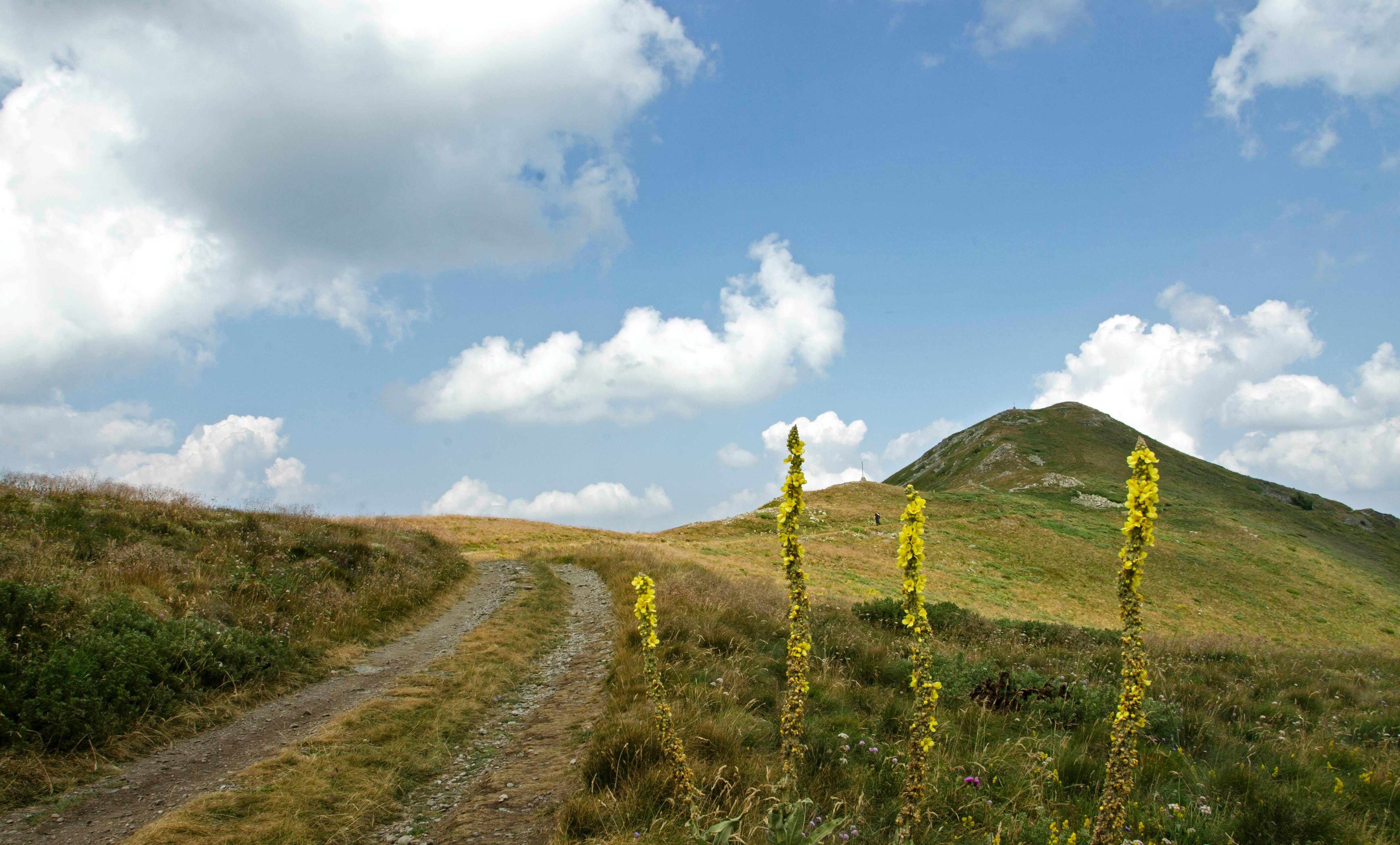
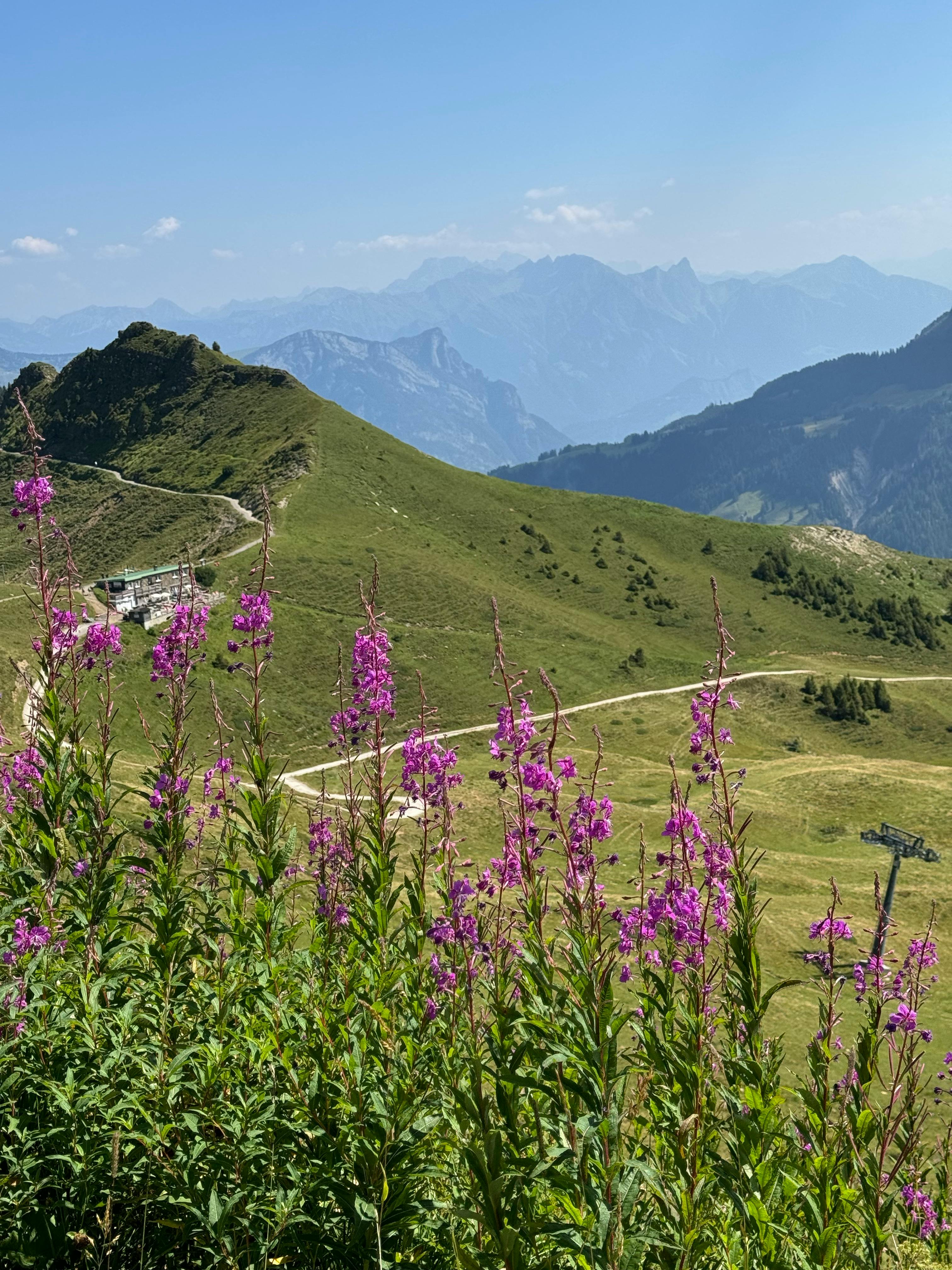
    Paradise area Mount Rainier meadow trail wildflowers clear blue sky

    Anchor hike: Skyline Trail (Paradise)

    Skyline Trail is a standout for day hikes Mount Rainier because it stacks viewpoints and alpine atmosphere into a single outing. It’s also a strong choice when someone asks what are the best trails for Mount Rainier day trip plans that feel truly “mountain.”

    This is one of the best hikes in Mount Rainier for travelers who want a single trail to define the day. It’s also a natural fit for photography-focused timing, since light and cloud movement can change the mood fast.

    Short add-ons in Paradise (nature trails and quick wins)

    Paradise supports the kind of flexible planning that makes a day trip work. A short, nearby walk can round out the day without committing to another major climb.

    These are the kinds of nature trails Mount Rainier is known for in developed visitor areas: short, scenic, and easy to fit between bigger efforts.

    Paradise day-trip structure (simple and repeatable)

    A practical Paradise plan looks like this:

    • Start with your anchor hike (Skyline Trail)

    • Add a short meadow walk if you want more time outside

    • Leave a buffer for weather shifts and parking realities

    That structure keeps the day focused while still giving you room to adapt, which is the heart of choosing the best trails for Mount Rainier day trip outcomes.

    Best trails for Mount Rainier day trip in Sunrise (high-elevation viewpoints)

    Sunrise is the other major visitor area we use for a trail-first day trip. It’s known for high-elevation viewpoints and the feeling of being up in the alpine quickly once you arrive.
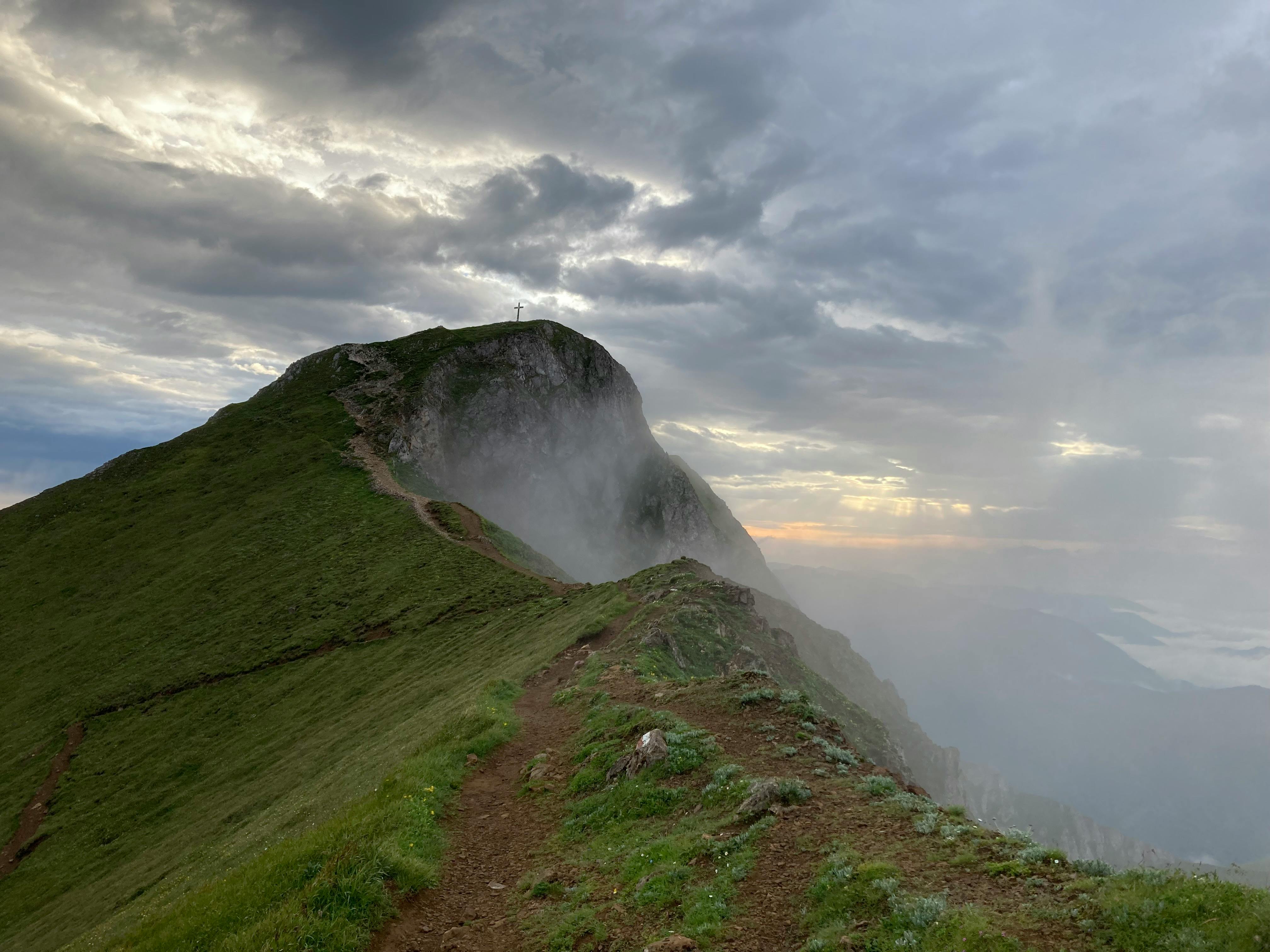
    Sunrise area Mount Rainier ridge trail morning mist

    If Paradise is about meadows and a central hiking hub, Sunrise is about airy ridgelines and expansive terrain. For many travelers, Sunrise is where top scenic viewpoints along Mount Rainier hikes feel most immediate.

    Sunrise as an anchor area for day hikes

    For Mount Rainier hiking, Sunrise works best when you commit to it as the main zone for your day. That keeps drive time and logistics cleaner and helps you spend more time on trail.

    Because conditions can change rapidly in alpine environments, we keep a conservative approach to timing and always plan for variable visibility.

    Sunrise planning notes for families

    Sunrise can still work well for Mount Rainier trails for families when you choose shorter routes and keep the day flexible. We treat “family-friendly” as a pacing and expectations strategy, not just a trail label.

    A family-friendly Sunrise day typically means:

    • Shorter hiking blocks

    • More viewpoint stops

    • More time for breaks

    This approach also fits family-friendly hikes in Mount Rainier National Park planning when you’re traveling with mixed ages or mixed hiking experience.

    Best trails for Mount Rainier day trip for families (low-stress, high-scenery)

    When we design Mount Rainier trails for families, we prioritize predictable logistics and manageable time on trail. The goal is a day that feels rich in scenery without requiring a single, long push.

    family walking forest trail Mount Rainier warm interior light

    In practice, that means building your itinerary around shorter day hikes Mount Rainier options and using visitor areas for amenities and interpretive stops.

    What “family-friendly” looks like on Mount Rainier hiking days

    A good family plan leans on:

    • One moderate objective or a series of short walks

    • Scenic stops that do not require a long hike

    • A clear turnaround time so the drive home stays comfortable

    This is the simplest way to deliver family-friendly hikes in Mount Rainier National Park without overpacking the schedule.

    A family-focused trail mix (anchor + add-on)

    For families, we like a mix of:

    • One “main” hike that feels like a real mountain trail

    • One short nature trails Mount Rainier style loop for extra time outside

    That combination is often the most dependable answer to what are the best trails for Mount Rainier day trip planning with kids.

    What a grand experience, Loge has done a great job with Crystal Mountain Hotels, check in was fast and efficient, room was exactly what I booked. Spotless and sparkling with nice amenities, and oh the food! The Alpine Inn is noted for exquisite dining and service, definitely impressive.
    Apre at the Snorting Elk Deli is not to be missed, rated as one of the top after ski venues in the country. You will not find frozen, pre-cooked industrial food at the Alpine or the Elk, you will savor made from scratch daily with a strong emphasis on farm to table.
    One of the most pleasurable ski trips I’ve had and a refreshing contrast to the industrial tourism so common in the ski world.

    — fulltimer50, TripAdvisor, 5.00

    Comparing Mount Rainier day trip trail areas (Paradise vs Sunrise)

    Choosing between Paradise and Sunrise is often the real decision. Both can produce a memorable day, but they feel different and they support different hiking styles.

    Area

    Best For

    Trail Feel

    Day-Trip Strength

    Paradise

    Meadows, classic park hub, big day-hike energy

    A mix of meadow walks and larger climbs

    Easy to build a full day around one anchor hike

    Sunrise

    High-elevation viewpoints, ridgelines

    More open alpine terrain once you arrive

    Strong for viewpoint-driven Mount Rainier hiking days

    If you’re trying to decide what are the best trails for Mount Rainier day trip goals, pick the area that matches your preferred scenery first, then choose the anchor hike.

    Best time to visit Mount Rainier for hiking (seasonal reality, not hype)

    The best time to visit Mount Rainier for hiking depends on what you want from the day and how much flexibility you have.

    From our regional planning baseline:

    • Summer (June–September) is typically the warmest and driest period, with the most reliable access to alpine trails.

    • Shoulder seasons (April–May, October–November) can bring fewer crowds and seasonal transitions, but also more variable conditions and potential early snow at higher elevations.

    • Winter (December–March) brings snow in the mountains and rain on the coast; some roads and passes may close due to snow.

    This is also why we keep day-trip trail plans modular. The best time to visit Mount Rainier for hiking is the time when your chosen area is accessible and conditions match your group’s comfort level.

    Packing and preparedness for Mount Rainier hiking days

    A day trip still needs real mountain preparedness. Weather variability is one of the defining features of Mount Rainier hiking, even in summer.

    Our recommended basics for a Mount Rainier day trip:

    • Layered clothing (base layer, insulating layer, waterproof outer layer)

    • Supportive hiking shoes or boots

    • Daypack with water and food

    • Map or GPS

    • First-aid kit and headlamp for early starts

    • Sun protection

    If you’re building your own checklist for how to plan a hiking trip to Mount Rainier, treat this as the baseline and add specialized gear only when conditions require it.

    Responsible travel on Mount Rainier trails (Leave No Trace mindset)

    Mount Rainier National Park is a high-impact environment in peak season. Meadow ecosystems and alpine terrain are sensitive, and popular routes concentrate foot traffic.

    We keep our guidance simple:

    • Stay on designated trails

    • Pack out waste

    • Keep respectful distance from wildlife

    • Plan for limited cell coverage in many areas

    These habits protect the landscapes that make the best hikes in Mount Rainier worth doing in the first place.

    Extending beyond Mount Rainier: pairing day hikes with other regional highlights

    If you have more than one day in the region, Mount Rainier pairs naturally with other Pacific Northwest landscapes.

    For example:

    • The Olympic Peninsula delivers temperate rainforest and rugged Pacific coastline in Olympic National Park.

    • Puget Sound and the islands add ferries, marine ecosystems, and wildlife viewing.

    • The North Cascades offer rugged, glaciated peaks and a scenic drive with fewer developed services.

    If you’re building a bigger national parks trip, our broader planning resources can help you connect the dots: US national park itinerary ideas.

    How Earth Trekkers builds a Mount Rainier day trip around trails

    We design day trips around hiking first, then layer in logistics. Our customizable tours across the United States can include accommodations, local transportation, entry passes, and special experiences such as guided hikes.

    For Mount Rainier day trips specifically, we focus on:

    • Matching trail difficulty to your group

    • Choosing one primary area (Paradise or Sunrise) for a coherent day

    • Adding a short, scenic backup so the day still works if weather shifts

    That’s the practical answer to what are the best trails for Mount Rainier day trip planning: a clear anchor hike, a flexible add-on, and a schedule that respects the mountain.

    If you’re also comparing your Rainier day with other iconic hikes, see how it fits into a wider shortlist here: best day hikes around the world.

    A trail-first sample framework (choose one anchor hike, then customize)

    Below is a simple framework we use to keep day hikes Mount Rainier planning clean and adaptable.

    Component

    Purpose

    Example Outcome

    Anchor hike

    Defines the day

    Skyline Trail at Paradise as the main objective

    Short add-on

    Adds flexibility

    A short meadow or forest walk near the visitor area

    Viewpoint time

    Builds in rest and scenery

    Stops for photos and interpretation without extra miles

    Weather hedge

    Keeps the day viable

    A lower-elevation nature walk if visibility drops

    This is also a helpful template for comparing mountain trails Washington offers elsewhere in the Cascades.

    Keeping the drive and the hike in balance (what makes a day trip feel good)

    A Mount Rainier day trip is at its best when the drive supports the hike, not the other way around. We keep the schedule realistic so you’re not rushing through the most scenic parts of the day.

    A few pacing principles we use:

    • Start earlier than you think you need to

    • Do the anchor hike first while energy is highest

    • Save short nature trails Mount Rainier options for later

    • Leave time to adjust for weather variability

    This pacing is especially important for Mount Rainier trails for families, where a calm rhythm usually produces a better day than maximum mileage.

    Decision point: choosing the best trails for Mount Rainier day trip goals

    If you want a single, actionable decision rule, use this:

    • Choose Paradise when you want meadow-rich Mount Rainier hiking with a classic anchor hike.

    • Choose Sunrise when you want high-elevation viewpoints and ridgeline atmosphere.

    From there, pick your anchor hike and build your day around it. That is the most dependable way we know to answer what are the best trails for Mount Rainier day trip planning, without overcomplicating it.

    [Primary CTA: Plan My Mount Rainier Day Trip]

    [Secondary CTA: Explore Custom Hiking Itineraries]

    Related planning inspiration for bigger trips

    If your Mount Rainier day trip is part of a longer road trip, these guides can help you shape the larger route:

    Best trails for Mount Rainier day trip recap (trail choices that stay flexible)

    The best trails for Mount Rainier day trip planning come down to choosing one primary area, committing to one anchor hike, and keeping a short add-on in your pocket.

    This approach keeps Mount Rainier hiking enjoyable across seasons and group types, and it helps you build day hikes Mount Rainier that feel intentional rather than rushed.

    When you’re mapping your own list of best hikes in Mount Rainier, start with Paradise or Sunrise, then pick the trail that matches your group’s pace. The mountain will do the rest.

    No author bio available. Update your bio from Profile.

    Last Updated: Mar 2, 2026

  • Best Pacific Northwest Road Trip Destinations From Seattle: A 10-Day Plan

    Seattle makes planning simple because it is the region’s natural hub for city time, ferries, and the big outdoor corridors. This 10-day route is built around the best Pacific Northwest road trip destinations that deliver the full mix in one trip: Seattle’s neighborhoods and museums, Puget Sound islands, Olympic Peninsula rainforest and coast, and Cascade Range alpine scenery.

    We designed this as a transactional, book-ready framework you can follow as-is or customize based on your hiking comfort level, preferred lodging style, and how much Pacific Northwest camping you want to include.

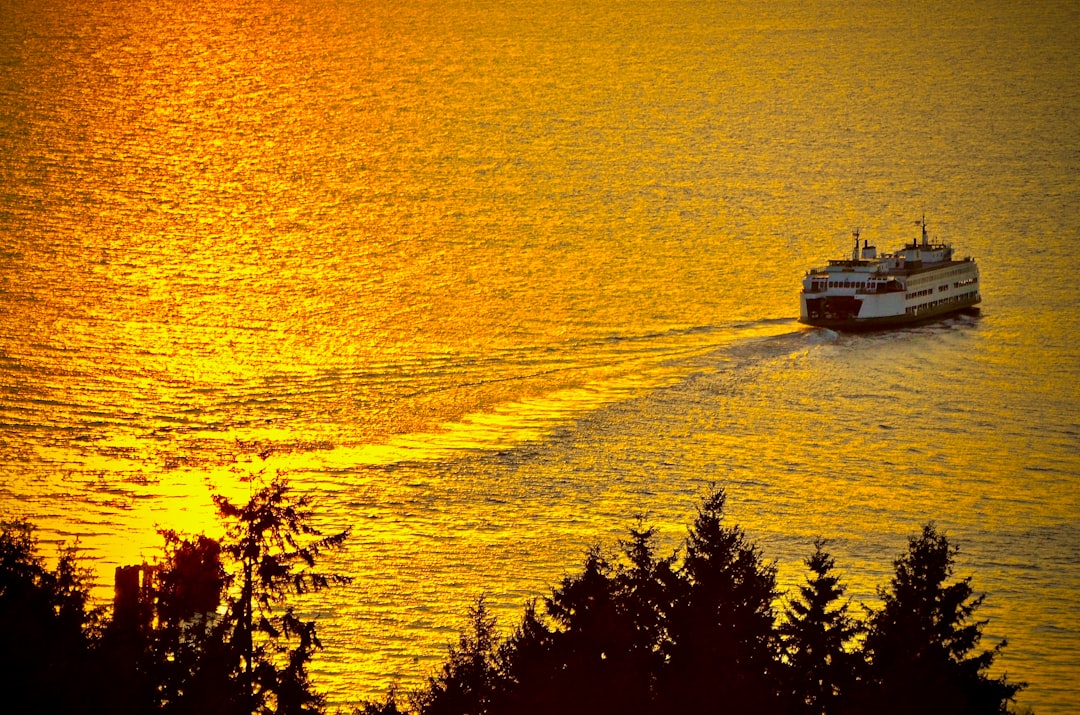
    Car ferry on Puget Sound with passengers, golden hour

    10 Days At A Glance: Nature, City, Coast, And Islands

    This plan keeps drive times logical by looping west to the Olympic Peninsula, then pivoting south and north into the Cascades. It also gives you multiple chances to use Washington State Ferries, which is a defining part of Washington travel.

    Day

    Base

    Region Focus

    Signature Experiences

    1

    Seattle

    City core

    Pike Place Market, waterfront walk, Seattle Aquarium

    2

    Seattle

    Seattle Center + neighborhoods

    Space Needle, Chihuly Garden and Glass, MoPOP, viewpoints

    3

    Seattle or Bainbridge

    Puget Sound

    Washington State Ferries, island town time

    4

    San Juan Islands

    Islands + wildlife

    Whale watching window (late spring–early fall), Friday Harbor

    5

    San Juan Islands

    Paddling + towns

    Sea kayaking, galleries, farm-to-table

    6

    Olympic Peninsula

    Alpine to rainforest

    Hurricane Ridge, drive US-101

    7

    Olympic Peninsula coast

    Pacific coast

    Hoh Rainforest, Rialto Beach, tidepooling mindset

    8

    Mount Rainier area

    Cascades

    Paradise meadows, Skyline Trail day hike

    9

    North Cascades area

    Alpine + scenic drives

    North Cascades Highway, Diablo Lake viewpoints

    10

    Seattle

    Return buffer

    Flexible city time, departure positioning

    Seattle City Core: Markets, Museums, And Waterfront Energy

    Start with Seattle’s most walkable, high-reward neighborhoods. This is where we like to anchor your first two days so you can shake off travel, get oriented, and enjoy the city before the long scenic drives in PNW begin.

    Downtown and the waterfront are built for easy wins. Pike Place Market gives you food stalls, specialty vendors, and that classic Seattle market buzz. The nearby waterfront piers keep the pace relaxed, and the Seattle Aquarium is a strong add-on when you want something indoor but still tied to the region’s marine ecosystem.

    Seattle’s identity is also culinary. Coffee culture is everywhere, and seafood is a defining theme, especially salmon and Dungeness crab. We plan meals here intentionally because once you head into the peninsula and parks, dining gets simpler and more seasonal.

    For a second-day structure, Seattle Center is the cleanest cluster. Space Needle delivers the iconic skyline view, and we pair it with Chihuly Garden and Glass and MoPOP for a full culture block that still feels light and fun.

    If you want neighborhood texture, we rotate you through Capitol Hill and Queen Anne for dining and viewpoints. Kerry Park is a classic skyline stop, especially when you want a short outing with a big payoff.

    For a quick nature reset without leaving town, Discovery Park trails and Myrtle Edwards Park are ideal. They keep you moving and set the tone for the outdoor-heavy days ahead, without turning the day into a logistics puzzle.

    If you want more hiking right away, we can add a day hike like Rattlesnake Ledge, Mount Si, or Snoqualmie Falls as a short outing from Seattle. That also helps you calibrate footwear, layers, and trail comfort before you commit to bigger park hikes.

    Pike Place Market produce stalls with shoppers, soft afternoon light

    Puget Sound By Ferry: Bainbridge And Vashon As Easy Island Add-Ons

    Puget Sound is a complex estuarine system with tidal channels, saltwater bays, and islands. For you, the practical takeaway is simple: ferries are not just transportation, they are part of the experience.

    Washington State Ferries link Seattle with Bainbridge and Bremerton, and they are the easiest way to add an “island day” without breaking the itinerary. We like Bainbridge for a waterfront town feel and a low-effort scenic reset between city days and longer drives.

    Vashon is another close option when you want a quieter island rhythm, especially if your trip is more about slow mornings, local food, and short drives.

    This is also where we start shaping your trip into one of the best Pacific Northwest road trip destinations collections that feels personal. Some travelers want more museums and neighborhoods. Others want as many ferry crossings and saltwater views as possible. We can adjust the balance without changing the overall route.

    San Juan Islands: Wildlife, Kayaks, And Small-Town Coastal Energy

    The San Juan Islands are the region’s signature marine destination. The typical gateway is Anacortes for ferry departures, and from there you can build two or three days around wildlife viewing, paddling, and island towns.

    Whale watching is a major draw here, with most organized outings concentrated in late spring through early fall. We plan this as a timed “anchor experience” because it is one of the most schedule-sensitive pieces of the trip.

    Sea kayaking is the other defining activity. Protected channels and shoreline access make for excellent wildlife-oriented paddling, and guided eco-tours help you navigate tides and currents while keeping the focus on seals, sea lions, bald eagles, and seasonal birdlife.

    Friday Harbor is a key town base, and it pairs well with galleries, local cuisine, and that classic island evening pace. Eastsound is another town option when your trip leans toward farm-to-table and a more boutique feel.

    If your group wants to stay active, we can add island biking and short hikes, keeping the intensity moderate so you still have energy for the Olympic Peninsula and the Cascades.

    Sea kayakers near rocky island shoreline, morning mist

    Olympic Peninsula Loop: Rainforest, Ridge Views, And Rugged Coast

    The Olympic Peninsula is where the Pacific Northwest’s ecological variety becomes real in a single loop. Olympic National Park spans alpine viewpoints, temperate rainforest, and rugged Pacific coastline.

    We typically route you onto the peninsula with a ferry plus a drive, then connect into US-101, which circumnavigates much of the peninsula and links the major access points.

    Hurricane Ridge is the alpine highlight. It is a strong first stop because it delivers big views quickly and sets up short hikes that do not require an all-day commitment.

    From there, the rainforest and coast become the story. The Hoh Rainforest is the classic moss-draped, old-growth experience, with short interpretive trails and boardwalk-style walking that works well even if your trip includes a wide range of fitness levels.

    Rialto Beach and Ruby Beach deliver the rugged coastline visuals: sea stacks, long beaches, and tidepool potential. Coastal access is shaped by tides, currents, and surf conditions, so we build this day with flexibility and a safety-first approach.

    This section is also a natural home for Pacific Northwest camping if you want it. Coastal and forested campgrounds can fill quickly in summer, so we treat campsite selection as a core decision rather than an afterthought.

    Cascade Range Highlights: Mount Rainier And North Cascades In One Trip

    The Cascade Range adds alpine peaks and glaciated landscapes that feel completely different from the coast. In a 10-day plan, we focus on Mount Rainier National Park and a North Cascades extension.

    Mount Rainier works well because it has distinct visitor areas. Paradise is famous for meadow walks and the Skyline Trail day hike. Sunrise adds high-elevation viewpoints and a different angle on the mountain.

    North Cascades National Park is more rugged and has fewer developed visitor services. That is part of the appeal. When we include it, the trip becomes a stronger match for travelers who want fewer crowds and more dramatic mountain scenery.

    The North Cascades Highway is one of the defining scenic drives in PNW, and we like to pair it with short hikes and viewpoints around Ross Lake and Diablo Lake.

    This is also where we can tune your itinerary around the best hiking trails in PNW style you want. Some groups prefer short iconic walks and visitor center stops. Others want steeper, more remote routes that require early starts and careful planning.

    Optional Add-On: Mount St. Helens And The Volcanic Landscape Story

    Mount St. Helens National Volcanic Monument adds a powerful geology and recovery narrative to your route. Visitor centers and trails interpret the 1980 eruption’s landscape and ongoing ecological change.

    This is a strong add-on when you want variety beyond rainforest and alpine meadows. It also pairs well with travelers who enjoy interpretive stops and big-picture landscape context.

    Optional Extension: Columbia River Gorge And Eastward Contrast

    The Columbia River Gorge is centered in Oregon and southern Washington, but it is reachable with a multi-day extension from Seattle. It brings waterfalls, river recreation, and another set of scenic drives in PNW that feel distinct from the peninsula loop.

    If you want even more contrast, eastern Washington’s drier landscapes and wine regions provide a different side of Washington travel, with a high-desert feel compared to the marine west.

    For travelers combining this with an Oregon road trip, the Gorge can become a natural connector between Washington and Oregon route planning.

    When To Go: Seasonality That Changes The Whole Experience

    Summer (June–September) is the warmest and driest window. It is prime time for hiking, marine wildlife viewing, ferry travel, and Pacific Northwest camping. It is also the busiest, so we plan around crowds and reservation pressure.

    Shoulder seasons (April–May, October–November) bring fewer crowds and a different mood. Spring is strong for waterfalls and wildflowers. Fall adds changing foliage, with the possibility of early snow at higher elevations.

    Winter (December–March) shifts the trip into rain on the coast and snow in the mountains. This is when ski areas at Snoqualmie Pass and Stevens Pass become relevant, and coastal storm-watching becomes a popular theme, with careful attention to surf and tides.

    For deeper planning, the National Park Service is the most reliable source for current conditions, alerts, and operating status. Use National Park Service trip planning resources to verify seasonal access before you lock in dates.

    Logistics That Make Or Break A PNW Road Trip

    Seattle–Tacoma International Airport (SEA) is the primary arrival point for most visitors, and Seattle is the best base for the first nights of the trip.

    Driving is straightforward on the main corridors. Interstate 5 is the north–south spine. US-101 is the Olympic Peninsula loop road.

    Ferries are a key tool. Schedules vary seasonally, and reservations are available on some routes and recommended during peak periods. If ferries are central to your plan, confirm schedules directly with Washington State Ferries schedules and updates.

    Public transit works well for Seattle days, especially Link Light Rail and buses, but a rental car or private vehicle is typical once you leave the city.

    Cell coverage can be limited in backcountry and island locations. We plan routes and days so you are not relying on last-minute signal for critical navigation.

    Lodging And Trip Style: Hotel Comfort Vs Pacific Northwest Camping

    Your accommodation mix shapes your pace.

    Urban hotels and short-stay rentals are concentrated in Seattle and larger towns. Lodges and cabins are found within and near national parks and forested areas. Campgrounds range from developed sites to more remote options depending on land management rules.

    If your priority is Pacific Northwest camping, we plan it as a system:

    • Choose which nights are best for camping (coast, rainforest side, or mountain corridor)

    • Keep driving days shorter on camp nights

    • Build a weather buffer for the coast and alpine zones

    • Pair campground locations with the next morning’s trailhead or ferry departure

    If you want a hybrid approach, we typically place hotels on transition days and camp on “deep nature” days. That keeps comfort high and logistics clean.

    Permits, Entry Passes, And Reservations To Expect

    National parks and some state parks charge entrance fees. Backcountry permits and campsite reservations may be required depending on where you go and how you travel.

    Overnight backcountry use in national parks typically requires permits, and wilderness regulations vary by agency and region. For most travelers on a 10-day loop, the key is deciding whether you want day hikes only or any overnight wilderness components.

    Ferry and boat reservations matter in summer, especially if you are traveling with a vehicle.

    Guided activities like whale watching, sea kayaking, and specialized guided hikes often require advance booking. We treat these as “fixed points” first, then build the rest of the itinerary around them.

    Hiking, Wildlife, And Water Days: How We Match Activities To Your Group

    This region supports everything from short city walks to multi-day alpine routes. We keep it simple by aligning each day with one primary outdoor objective.

    For hiking days, we match trail difficulty to fitness and current conditions. Mount Rainier and the North Cascades can shift fast with weather, so we plan early starts and layered clothing as the default.

    For wildlife days, we plan respectful distances and binocular-friendly viewing. Marine mammals and birds are a major theme in the San Juan Islands, and guided tours add interpretation and improve your odds of meaningful sightings.

    For water days, sea kayaking and paddleboarding work best in calmer channels and protected coves. Guided trips supply gear, route planning with tides and currents, and a safety briefing.

    If your trip is photography-forward, we can schedule sunrise and sunset sessions at alpine viewpoints or coastal beaches for the best light.

    For more inspiration on how we approach hiking-focused travel planning, our broader resource hub is here: our hiking guide collection.

    Alpine meadow hiking trail with hikers, clear blue sky

    Responsible Travel In The PNW: Simple Rules With Big Impact

    Weather variability is real here, especially in alpine and coastal areas. We plan with forecasts and seasonal advisories in mind, and we keep days flexible enough to adjust without losing the trip’s highlights.

    Coastal tidepooling and beach walks require tide awareness. Strong currents and large surf can change what is safe and reachable.

    Wildlife safety is non-negotiable. Keep distance, never feed wildlife, and secure food at campsites to avoid attractants.

    Leave No Trace is the baseline. Stay on established trails, pack out waste, and respect closures and signage.

    How This Route Supports An Oregon Road Trip Add-On

    If you want to turn this into a Washington plus Oregon combo, we build from the same core loop and then extend south.

    The Columbia River Gorge becomes a natural connector, and from there an Oregon road trip can continue toward coastal communities, inland wine country, or additional waterfall corridors depending on your style.

    This is one of the fastest ways to expand beyond the best Pacific Northwest road trip destinations around Seattle while still keeping the trip coherent.

    For more road trip inspiration across the country, we keep an updated list here: our favorite USA road trip ideas.

    Decision Point: Choose Your 10-Day PNW Build

    This 10-day structure is designed to be booked as a complete loop or customized into a more city-forward, island-forward, or hiking-forward trip.

    Common customization directions we build:

    • More islands and marine time (add an extra San Juan day, add more kayaking)

    • More PNW national parks focus (add time at Mount Rainier and North Cascades)

    • More hiking intensity (prioritize longer day hikes and earlier starts)

    • More comfort (more hotel nights, fewer transitions)

    • More Pacific Northwest camping (coast plus mountains, with reservation strategy)

    [Primary CTA: Book Now]

    [Secondary CTA: Customize Itinerary]

    Helpful Planning Resources We Use When Building Your Trip

    When you are comparing route options, it helps to see how different national park trips are structured. These guides give you a framework for pacing, park day design, and road-trip flow:

    Packing And Gear: The Short List That Covers Most Trips

    The Pacific Northwest’s weather is variable year-round, so we plan for layers:

    • Base layers, insulating midlayers, and a waterproof outer layer

    • Supportive hiking shoes or boots for trails

    • Water shoes or sandals for beaches and tidepool zones

    • Daypack, water, map or GPS, first-aid kit, headlamp, sun protection

    • Binoculars for wildlife viewing

    If your plan includes more advanced alpine routes, additional equipment may be necessary depending on conditions.

    Your 10-Day Route Summary For Booking

    You get a complete Pacific Northwest arc in one trip: Seattle’s city core, Puget Sound ferries, San Juan wildlife and paddling, Olympic National Park rainforest and coast, and Cascade Range alpine scenery.

    It is a clean, flexible way to experience the best Pacific Northwest road trip destinations without wasting days on backtracking, and it supports add-ons for PNW national parks, best hiking trails in PNW, and scenic drives in PNW depending on how you want to travel.

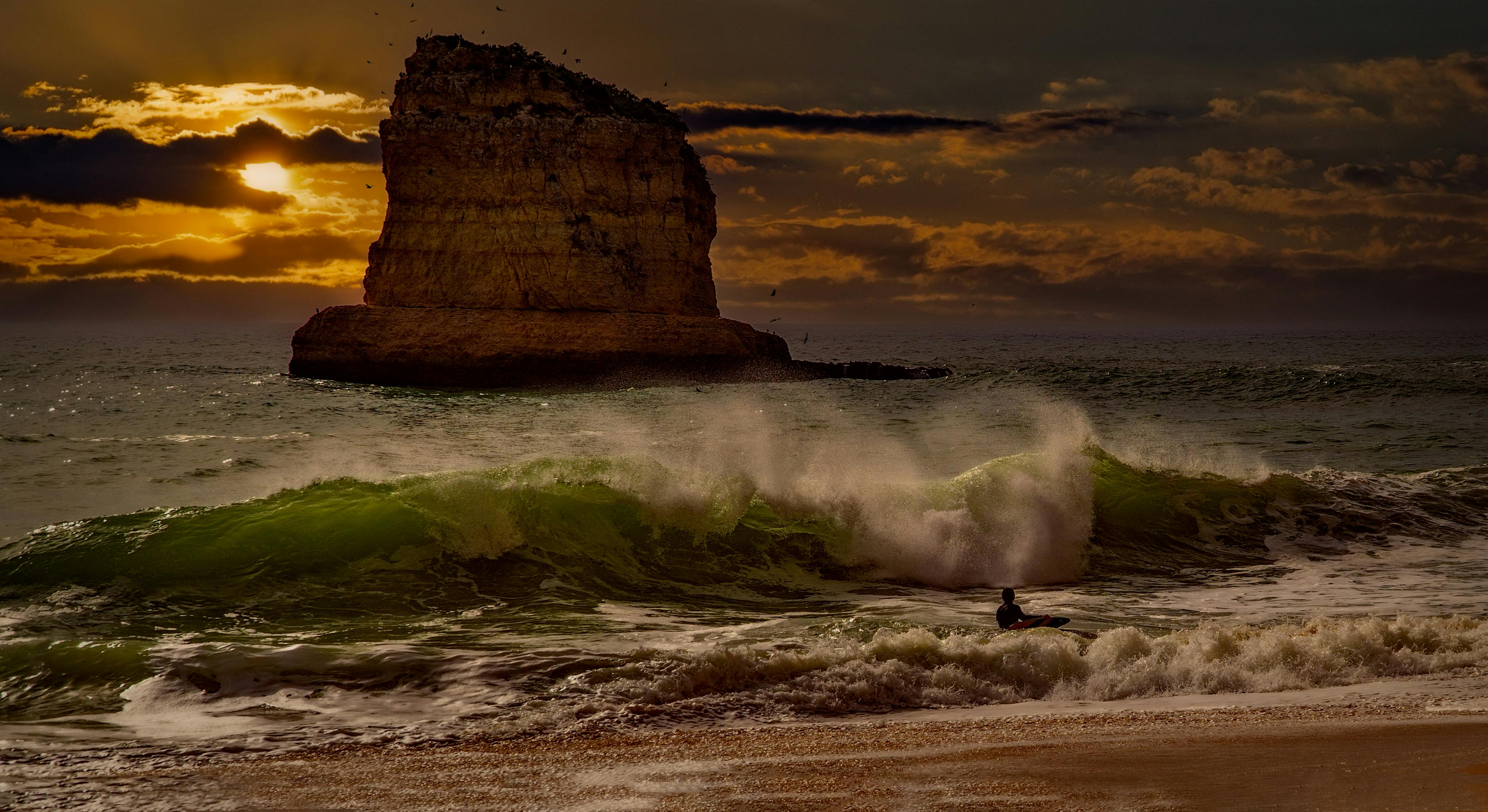
    Pacific coast sea stacks with gentle surf, dusk

  • April in Olympic National Park

    April Timing And Seasonal Patterns

    Is April considered a shoulder season for Olympic National Park?

    Yes. April falls in the April–May shoulder season window described for the region. In this period, you can generally expect fewer crowds and lower rates compared with summer. It is also a time when seasonal transitions can affect what is available, since some ferry and seasonal park services may operate on reduced schedules.

    What kinds of conditions should I plan for in Olympic National Park in April?

    Plan for variable conditions. The region notes that weather can change rapidly, especially in alpine and coastal areas. In April, that variability can show up as shifting temperatures, changing visibility, and wet or windy periods. Checking forecasts and seasonal advisories is part of planning for time in Olympic National Park.

    Can higher-elevation areas in Olympic National Park still have winter conditions in April?

    Yes. The regional guidance notes potential for early snow at higher elevations in the shoulder seasons (April–May and October–November). If you are heading to alpine areas such as Hurricane Ridge, plan for changing conditions and monitor weather and seasonal advisories.

    Getting Around In April

    What is the main road route for reaching Olympic National Park areas on the peninsula?

    U.S. Route 101 (US-101) is the primary driving route described for the Olympic Peninsula. It circumnavigates much of the peninsula and connects coastal towns and Olympic National Park access points, making it the backbone route for moving between places like rainforest areas and the Pacific coast.

    Can I use a ferry from Seattle to get to the Olympic Peninsula in April?

    Yes. Routings from Seattle to the Olympic Peninsula may include ferries, such as routes to Bainbridge or Bremerton, followed by driving across the Kitsap Peninsula. Since schedules can vary seasonally, April travelers should expect that service levels may differ from peak summer operations.

    Do ferry schedules change in April?

    They can. The regional logistics notes that state ferry schedules vary seasonally, and shoulder seasons can come with reduced schedules for some services. In April, build flexibility into your day and confirm the specific sailing times you plan to use.

    What You Can Do In April

    What are typical Olympic National Park experiences that fit well in April?

    Olympic National Park is described as combining alpine areas, temperate rainforest, and rugged Pacific coastline. April-friendly options commonly include short hikes and viewpoints at Hurricane Ridge, interpretive trails and boardwalks in the Hoh Rainforest, and coastal walks on beaches such as Rialto Beach or Ruby Beach.

    What is the Hoh Rainforest experience like for a visitor?

    The Hoh Rainforest is described as a temperate rainforest with moss-draped old-growth forest and short interpretive trails, including rainforest boardwalks. It is well-suited to straightforward walks focused on scenery and nature interpretation, rather than technical hiking.

    What should I know before doing tidepooling or beach walks in April?

    Coastal walks and tidepool exploration require attention to tides and safety. The guidance recommends consulting tide tables and local safety information, since tidal ranges and strong currents can influence coastal access. Also watch for posted warnings, especially when exploring rocky areas and tidepools.

    Are there specific Olympic National Park coastal areas mentioned for beach time?

    Yes. The park’s rugged Pacific coastline examples include Rialto Beach and Ruby Beach. The coastline is characterized by features like sea stacks, tidepools, and coastal bluffs. Access and conditions can be influenced by tides and currents, so timing and situational awareness matter.

    Permits, Fees, And Reservations In April

    Do I need to plan for entrance fees when visiting Olympic National Park in April?

    Yes. National parks are noted as charging entrance fees. The inputs do not provide current pricing, but they do indicate you should plan for these fees and check for any required reservations or seasonal access restrictions that may apply during your travel dates.

    Do I need permits for overnight backcountry trips in Olympic National Park?

    Usually, yes. Overnight backcountry use in national parks is described as typically requiring permits, and multi-day routes in Olympic National Park specifically require planning, permits, and backcountry skills. Permitting and wilderness regulations can vary by agency and location.

    Packing And Safety For April

    What should I pack for Olympic National Park in April?

    Use a layered system suitable for variable weather: base layers, an insulating midlayer, and a waterproof outer layer. Footwear guidance includes supportive hiking shoes or boots for trails, plus water shoes or sandals for beach and tidepool areas. Standard day safety items include water, a map or GPS, a first-aid kit, a headlamp, and sun protection.

    What safety issues should I keep in mind for April travel in Olympic National Park?

    Key considerations include weather variability, tides and currents along the coast, and limited cell coverage in many backcountry areas. The guidance also emphasizes respectful wildlife viewing, securing food at campsites, and following Leave No Trace principles such as staying on designated trails and packing out waste.

    [CTA: Contact Us]

  • Sunrise at Mount Rainier

    Experience the magic of Mount Rainier at Sunrise

    [Primary CTA: View Tour Dates]

    [Secondary CTA: Contact our Travel Advisor]

    Sunrise at Mount Rainier, Built Into a Custom Seattle-and-Beyond Trip

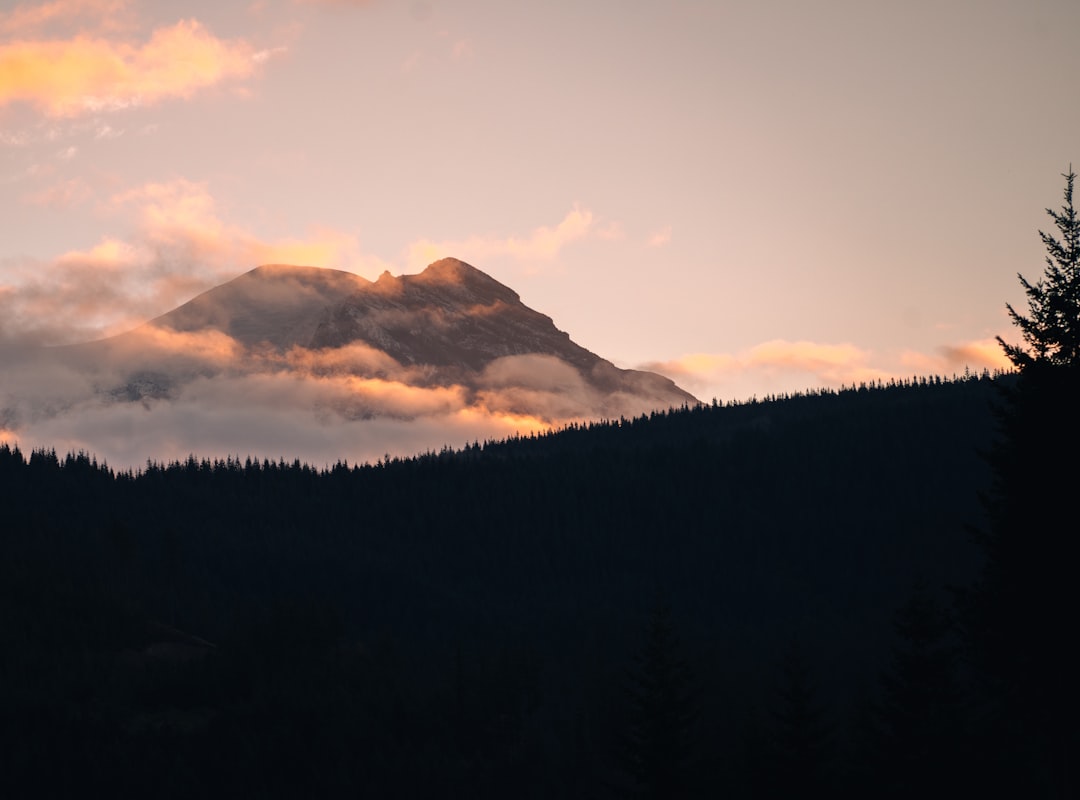
    Sunrise area viewpoint in Mount Rainier National Park with Mount Rainier in the distance and alpine landscape

    Sunrise is Mount Rainier National Park’s high-elevation viewpoint area, known for wide-open alpine scenery and big-sky perspectives of the mountain.

    We build customizable Seattle-and-beyond itineraries that include Sunrise at Mount Rainier alongside the region’s best city, island, rainforest, and coastal experiences.

    Your trip can be paced around early starts for light, photography time, and quieter trails, with the rest of the day planned for hikes, visitor centers, and scenic drives.

    Earth Trekkers packages typically include accommodations, local transportation, entry passes, and special experiences such as guided hikes, marine tours, and cultural experiences.

    For current park operations and alerts, we rely on official sources like Mount Rainier National Park (NPS).

    What You Get With Earth Trekkers

    Small group hiking on a mountain trail with alpine scenery in the Cascade Range

    We plan trips across Seattle, Puget Sound, the Olympic Peninsula, the Cascade Range, and nearby volcanic and river corridor landscapes.

    Standard inclusions in our packages typically cover accommodations, local transportation, entry passes, and special experiences.

    Special experiences can include guided hikes, marine tours, cultural experiences, and local experts.

    Your itinerary can be tailored by trip length, activity intensity, accommodation style, and the experiences you care about most.

    Customization can support solo travelers, families, adventure seekers, budget-conscious travelers, and food and culture enthusiasts.

    Sunrise Experience Highlights At Mount Rainier

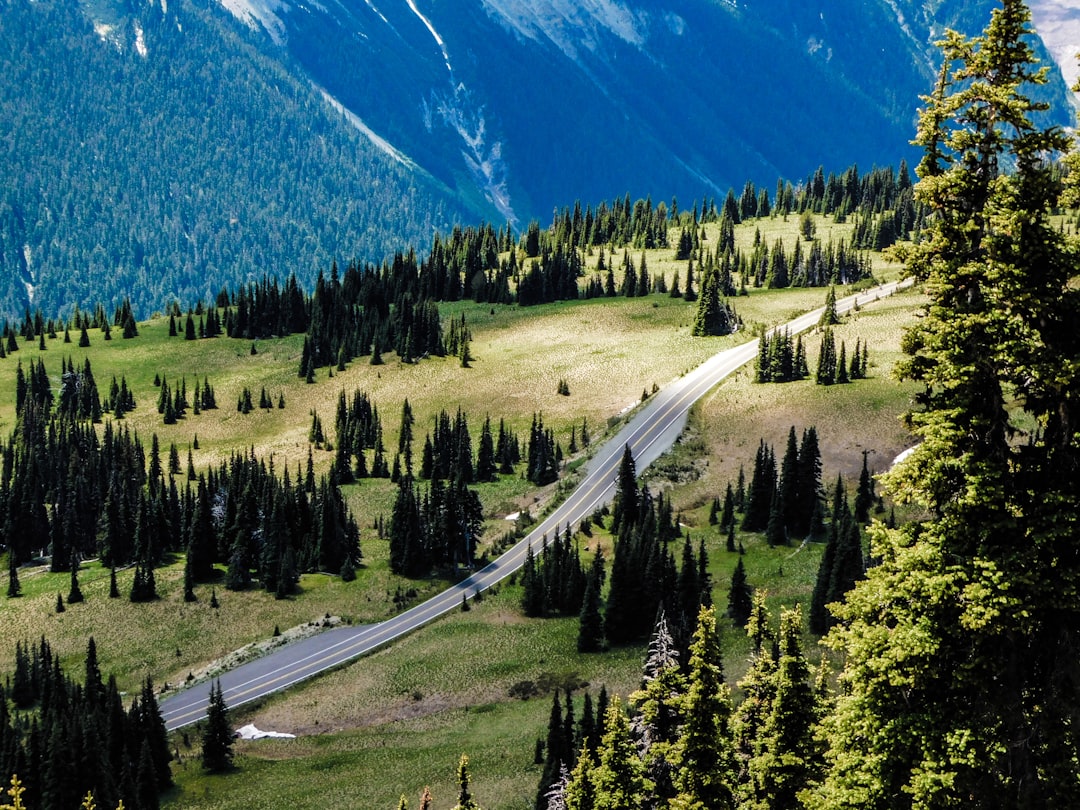
    Road to Sunrise area in Mount Rainier National Park with mountain landscape

    Sunrise is designed for travelers who want Mount Rainier’s high-country feel and a strong viewpoint-driven experience.

    We can plan your Sunrise day around short walks, day hikes, and interpretive stops at visitor centers, based on the access and conditions in your travel window.

    If you want a second Mount Rainier day, we can pair Sunrise with Paradise, the park’s other major visitor area known for meadows and the Skyline Trail day hike.

    For a longer alpine arc, we can extend the trip into the North Cascades for rugged scenery and scenic drives, with fewer developed visitor services than other parks.

    Add Seattle Before Or After Your Sunrise Day

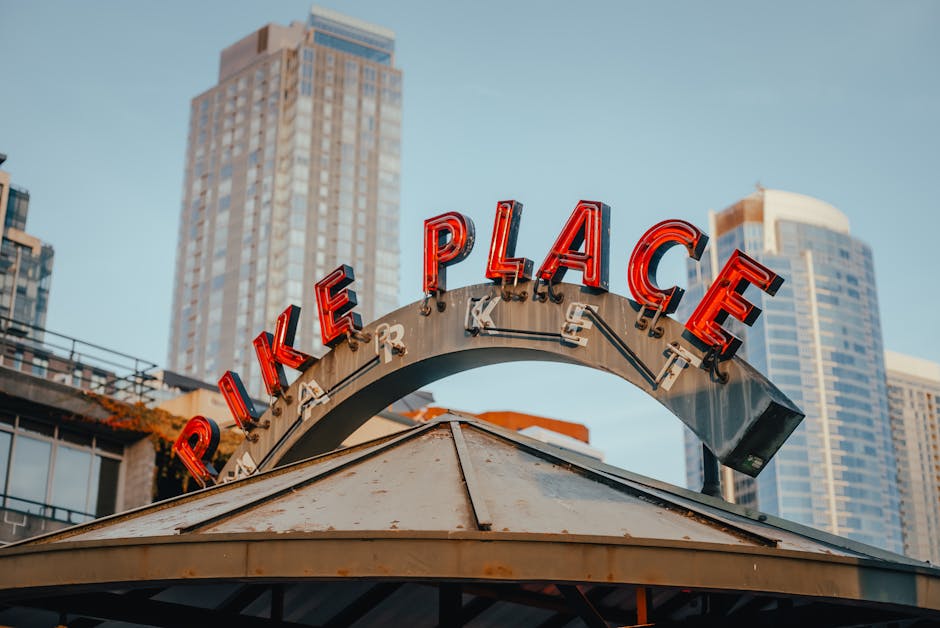
    Pike Place Market entrance sign in downtown Seattle with street scene

    Seattle works well as a base for your Mount Rainier Sunrise plan, with straightforward arrival through Seattle–Tacoma International Airport (SEA).

    We can build in classic city time around Downtown and the Waterfront, including Pike Place Market, the Seattle Aquarium, and waterfront promenades.

    Seattle Center pairs well with a half or full day of museums and viewpoints, including the Space Needle, Chihuly Garden and Glass, and the Museum of Pop Culture (MoPOP).

    Neighborhood time can include Capitol Hill, Queen Anne viewpoints like Kerry Park, the University District, Ballard, and Fremont.

    Food and culture can be planned intentionally, with Seattle’s seafood and coffee culture as an easy anchor for market stops and relaxed evenings.

    Puget Sound And The Islands: Ferries, Towns, And Marine Wildlife

    Washington State Ferry on Puget Sound with water and shoreline in the background

    Ferries are a practical part of regional travel, especially for day trips and island overnights.

    Close-to-Seattle options include Bainbridge Island and Vashon Island via Washington State Ferries.

    Farther north, the San Juan Islands are a major wildlife and marine destination, with island towns such as Friday Harbor and Eastsound.

    Activities can include whale-watching cruises, sea kayaking, island biking, and shoreline wildlife viewing, depending on season and conditions.

    Most organized whale-watching outings are concentrated in late spring through early fall.

    For ferry planning, we use the official Washington State Ferries schedules and updates.

    Olympic Peninsula And Pacific Coast Extensions

    Trail through temperate rainforest in Olympic National Park with mossy trees

    Olympic National Park combines alpine areas, temperate rainforest, and rugged coastline within one protected area.

    We can route you to Hurricane Ridge for alpine views and short hikes, then pivot to rainforest boardwalks and interpretive trails in the Hoh Rainforest.

    Coastal time can include beach walks and tidepool-focused stops at places like Rialto Beach and Ruby Beach, planned around tides and local guidance.

    US-101 connects many peninsula highlights and supports a loop-style itinerary when paired with ferry crossings and driving routes.

    Seasonal Planning That Protects Your Sunrise Goal

    Mountain landscape in the Cascade Range with patchy snow and viewpoint area

    Summer (June–September) is the warmest and driest period, with the most reliable access to alpine trails and visitor areas.

    Shoulder seasons (April–May, October–November) can bring fewer crowds and lower rates, with spring waterfalls and wildflowers and fall foliage, plus the possibility of early snow at higher elevations.

    Winter (December–March) often brings rain on the coast and snow in the mountains, with winter recreation where available and potential road and pass closures.

    We adjust your itinerary to match seasonal access, ferry schedules, and the activity intensity you want.

    Trip Modules We Can Combine Around Sunrise

    A Sunrise-centered trip can be built as a focused 2–3 day alpine add-on or as one module inside a longer Seattle-and-beyond itinerary.

    Common building blocks include:

    • City Highlights (1–2 days): Pike Place Market, waterfront, Seattle Center institutions, and short nature time at Discovery Park or Myrtle Edwards Park

    • Islands & Marine Wildlife (2–3 days): Bainbridge and San Juan Islands with whale watching and kayaking options

    • Olympic Peninsula Loop (2–4 days): Hurricane Ridge, Hoh Rainforest, and Pacific coast beaches

    • Mount Rainier & Cascades (2–3 days): Paradise plus Sunrise, with an optional North Cascades extension

    • Adventure & Photography Focus (3–6 days): sunrise alpine photography sessions, guided photography instruction, and dawn-timed paddling where conditions fit

    Logistics We Plan Up Front

    We plan around the region’s multi-modal travel patterns: urban transit in Seattle, rental car or private vehicle for regional loops, and ferries and water taxis where they make sense.

    Seattle–Tacoma International Airport (SEA) is the primary air gateway, and Seattle is the most common base for onward travel.

    We factor in national park entrance fees, any required reservations or seasonal restrictions, and the timing of guided activities that often require advance booking.

    Accessibility varies by site and season, with more consistent facilities at visitor centers and major viewpoints than on remote trails and beaches.

    Cell coverage can be limited in backcountry and island locations, so we plan daily routes and expectations accordingly.

    Packing And Readiness For Early Starts

    Layered clothing is recommended year-round due to variable weather, especially in alpine and coastal areas.

    Supportive hiking shoes or boots help on trails, and water shoes can be useful for beach and tidepool stops.

    A daypack, water, a map or GPS, first-aid kit, headlamp for early starts, and sun protection are practical basics.

    If your trip includes wildlife viewing, binoculars are helpful, and photography gear can be planned around the experiences you prioritize.

    We match trail difficulty and daily elevation gain to your comfort level and adjust the plan as conditions change.

    Mount Rainier at Sunrise works best with a plan that aligns park access, seasonal conditions, and the pace you want across Seattle and the surrounding landscapes.

    [Primary CTA: View Tour Dates]

    [Secondary CTA: Contact our Travel Advisor]

  • Coffee – Starbucks

    Best Starbucks Drinks for Winter: A Travel-Ready Winter Menu Playbook

    At a Glance

    • Starbucks winter drinks are perfect for busy travel days with winter flavors like caramel, chocolate, and mint.

    • Caramel Brulée Latte offers dessert-like comfort, while peppermint options give a cool, refreshing edge.

    • Mocha drinks provide a balance of coffee and chocolate.

    • Brewed coffee or Americano keeps it simple and warm without extra sweetness.

    • These choices fit various winter moods: cozy, festive, chocolatey, and classic.

    Winter travel has a way of compressing your day: earlier sunsets, colder platforms, longer walks between neighborhoods. In that squeeze, the best Starbucks drinks for winter are the ones that keep pace with your itinerary, your layers, and your timing, especially when you want something familiar that still feels seasonal.

    Hot coffee drink in a paper cup held near a cafe window with snow visible outside

    This post is built for decision-making on the go: what to order from the Starbucks winter menu, how to match drinks to weather and plans, and how to think about roast, sweetness, and texture when you are choosing seasonal Starbucks beverages in a hurry.

    Best Starbucks drinks for winter, ranked for travel days

    These picks are designed for real movement: walking tours, airport connections, museum afternoons, and evening light shows. We keep the focus on holiday coffee drinks that are easy to order, easy to carry, and satisfying when temperatures drop.

    Assorted hot coffee drinks on a cafe table with winter gloves beside them

    Our winter short list (the ones we reach for first)

    • Starbucks Caramel Brulée Latte for dessert-like comfort and a smooth, candy-like finish

    • A peppermint-forward option when you want a brighter, cooler edge to a hot drink

    • A mocha-leaning option when you need something that reads as both coffee and chocolate

    • A simpler brewed coffee or Americano base when you want warmth without extra sweetness

    These choices anchor our internal Starbucks drink reviews because they cover the main winter moods: cozy, festive, chocolatey, and classic.

    Quick comparison table for fast ordering

    Drink style

    Best moment on a trip

    Flavor direction

    Sweetness feel

    Carry-friendly

    Caramel-forward latte

    Post-meal walk, shopping districts

    Toasted sugar, caramel

    Medium to high

    High

    Mint-forward latte/mocha

    Night markets, holiday events

    Mint, cocoa or coffee

    Medium

    Medium

    Mocha-style drink

    Museum afternoon, long drive

    Chocolate, coffee

    Medium to high

    Medium

    Brewed coffee / Americano

    Early starts, tight schedules

    Coffee-forward

    Low

    High

    When you are choosing the best holiday drinks at Starbucks, this table helps you pick based on the day you are actually having, not just the name on the board.

    Starbucks winter menu strategy: match your drink to the weather window

    On winter trips, your drink has a job. Sometimes it is warmth in your hands. Sometimes it is a treat that replaces dessert. Sometimes it is just a reliable caffeine stop between neighborhoods. The Starbucks winter menu makes that easier because the flavor profiles tend to be built around caramelization, chocolate, spice, and mint.

    People walking on a city street in winter wearing coats, one person holding a coffee cup

    Cold, windy mornings: prioritize body and heat retention

    Milk-based drinks hold heat longer than black coffee. If you know you will be outdoors, a latte-style choice from the Starbucks winter menu stays comforting deeper into the walk.

    Midday indoor stretches: prioritize clarity and balance

    If your day is mostly museums, trains, or indoor markets, a cleaner coffee profile can feel better than a heavy dessert drink. This is where a brewed coffee base shines, and it also gives you room to add sweetness only if you want it.

    Late afternoons: prioritize “treat value” without over-ordering

    Winter sunsets are early. A small ritual at 4 p.m. can reset your mood before dinner. This is the sweet spot for seasonal Starbucks beverages that taste like the holidays without turning into a full dessert course.

    Starbucks drink reviews: what the flavors are actually doing

    We keep this section practical. Instead of romantic tasting notes, we focus on what you will notice in one sip while standing in a crowded store or walking back to your hotel.

    Barista steaming milk behind a coffee shop counter with customers in the background

    Starbucks Caramel Brulée Latte: toasted-sugar comfort that travels well

    The Starbucks caramel brulee latte is built around caramelized sweetness and a rounded, milky body. On winter trips, it reads as both coffee and dessert, which makes it an efficient order when you want one item to do two jobs.

    You will usually notice:

    • A toasted sugar impression up front

    • A caramel-like mid-palate

    • A smooth finish that stays cozy rather than sharp

    If you are building your own list of the best Starbucks drinks for winter, this one earns a spot because it leans into warmth and familiarity without needing extra customization.

    Mint-forward winter drinks: crisp finish for crowded evenings

    Peppermint-style drinks work well when you are heading into holiday events, bright storefronts, and packed sidewalks. Mint cuts through richness and can keep a drink from feeling too heavy after a big meal.

    This is a strong lane within the best holiday drinks at Starbucks category because it tastes festive even when you are ordering quickly and moving on.

    Mocha-style winter drinks: reliable chocolate plus coffee

    Chocolate-based winter drinks are the most straightforward “no regrets” order when you are traveling with a group. They tend to satisfy both the coffee-first and dessert-first people in the same line.

    In our internal Starbucks drink reviews, mocha-style options consistently deliver:

    • A clear chocolate note

    • Enough coffee character to feel like a coffee stop

    • A thicker texture that suits cold evenings

    Seasonal Starbucks beverages, explained like a coffee buyer would

    When you are choosing among holiday coffee drinks, it helps to know what drives the flavor. This is the quick framework we use, drawn from how coffee is evaluated more broadly: clarity, sweetness, body, and finish.

    Coffee beans in a bowl on a wooden table with a cup of black coffee beside it

    Roast and winter flavor: why darker profiles feel “warmer”

    Darker roasts tend to emphasize roast-derived notes like chocolate and caramelized sugars, with lower perceived acidity. That often reads as “winter-friendly,” especially when paired with milk.

    Processing and origin character: why some cups read fruity or floral

    Coffee flavor can shift dramatically based on processing methods like washed or natural, and by origin characteristics such as bright citrus-like acidity or deeper chocolate and nut notes. Even when you are ordering a seasonal drink, that underlying coffee character influences how sweetness lands and how clean the finish feels.

    Milk as a flavor filter

    Milk can mute delicate acidity and aromatics and amplify sweetness and body. This is one reason the Starbucks winter menu leans into milk-based builds: they are consistent, comforting, and easy to enjoy in cold air.

    Best Starbucks drinks for winter: ordering shortcuts that save time

    Travel days are rarely the moment for complicated decisions. These shortcuts keep your order aligned with your schedule and your palate, especially when you are scanning a crowded menu board.

    Person looking at a coffee shop menu board while holding a winter coat and scarf

    Use this decision ladder

    1. Pick your base: latte-style for body, brewed coffee for simplicity

    2. Pick your winter direction: caramelized, chocolate, mint

    3. Pick your intensity: standard build if you are moving fast, lighter sweetness if you are stacking treats that day

    This keeps the best Starbucks drinks for winter process simple without flattening your options.

    Built-in pairings for holiday walking days

    • Caramel-forward drinks pair well with buttery pastries and anything nutty

    • Mocha-style drinks pair naturally with chocolate desserts or simple cookies

    • Mint-forward drinks pair well after richer meals because the finish feels cleaner

    These are the pairings we return to when we are choosing best holiday drinks at Starbucks during weekends packed with events.

    Starbucks winter menu picks by itinerary type

    Different trips create different drink needs. Use these as templates, not rules, and swap within the same flavor family.

    Coffee cup on a train station bench with a suitcase nearby

    Airport and train days

    • Choose a drink that stays pleasant as it cools: caramel-forward and mocha-style options tend to hold up well

    • If you need speed, lean toward simpler builds that do not require extra decisions

    City walking weekends

    • Rotate between dessert-like and coffee-forward so every stop does not feel heavy

    • Keep at least one “classic” option in your pocket for mornings when you want clarity

    Scenic winter drives

    • Prioritize carry-friendly warmth and a drink that does not demand your full attention

    • Chocolate and caramel profiles tend to feel satisfying even in small sips

    Value and decision context for winter ordering

    When you are evaluating seasonal Starbucks beverages for a trip, the real value is predictability: you can choose based on sweetness, body, and finish and get a consistent experience across different stops. That consistency matters when weather is changing and your schedule is tight.

    For the most current lineup and availability, reference the official winter menu details and drink lineup before you head out.

    [Primary CTA: Order a winter favorite now]

    [Secondary CTA: Explore the winter menu]

    Closing notes for winter travel days

    The best Starbucks drinks for winter are the ones that match the moment: a warm, caramelized latte when you are outside for hours, a mint-forward option when you want a cleaner finish after a big meal, and a mocha-style drink when you need reliable comfort in one cup. Keep the Starbucks winter menu framework simple, and your coffee stops stay easy, even when the day is packed.

    Frequently Asked Questions

    1. What are some of the best Starbucks drinks to try?

    Some of the popular Starbucks drinks to try include the Caramel Macchiato, Vanilla Latte, and the Mocha Frappuccino. Each of these offers a unique combination of flavors that many customers enjoy.

    2. Are there seasonal drinks available at Starbucks?

    Yes, Starbucks offers seasonal drinks throughout the year. These include favorites like the Pumpkin Spice Latte in the fall and the Peppermint Mocha during the holiday season.

    3. How can I customize my Starbucks drink?

    You can customize your Starbucks drink by adjusting the type of milk, adding flavored syrups, or changing the amount of espresso shots. Baristas are happy to accommodate your preferences.

    4. What is the most popular Frappuccino at Starbucks?

    The Mocha Frappuccino is one of the most popular choices among Starbucks Frappuccinos. It’s a delicious blend of coffee, milk, and chocolate flavors.

    5. Does Starbucks have vegan drink options?

    Yes, Starbucks offers a variety of vegan drink options. You can choose from plant-based milks such as almond, coconut, and oat milk to customize your favorite beverages.

    Profile

    John Doe

    Traveler

    I’m John Doe, your guide to discovering the charm of local escapes. With a passion for unique stays and authentic experiences, I help travelers plan staycations that feel like real vacations.”

    Email

    johndoe.official

    Last Updated: Jan 23, 2026

  • Hello world!

    Welcome to WordPress. This is your first post. Edit or delete it, then start writing!