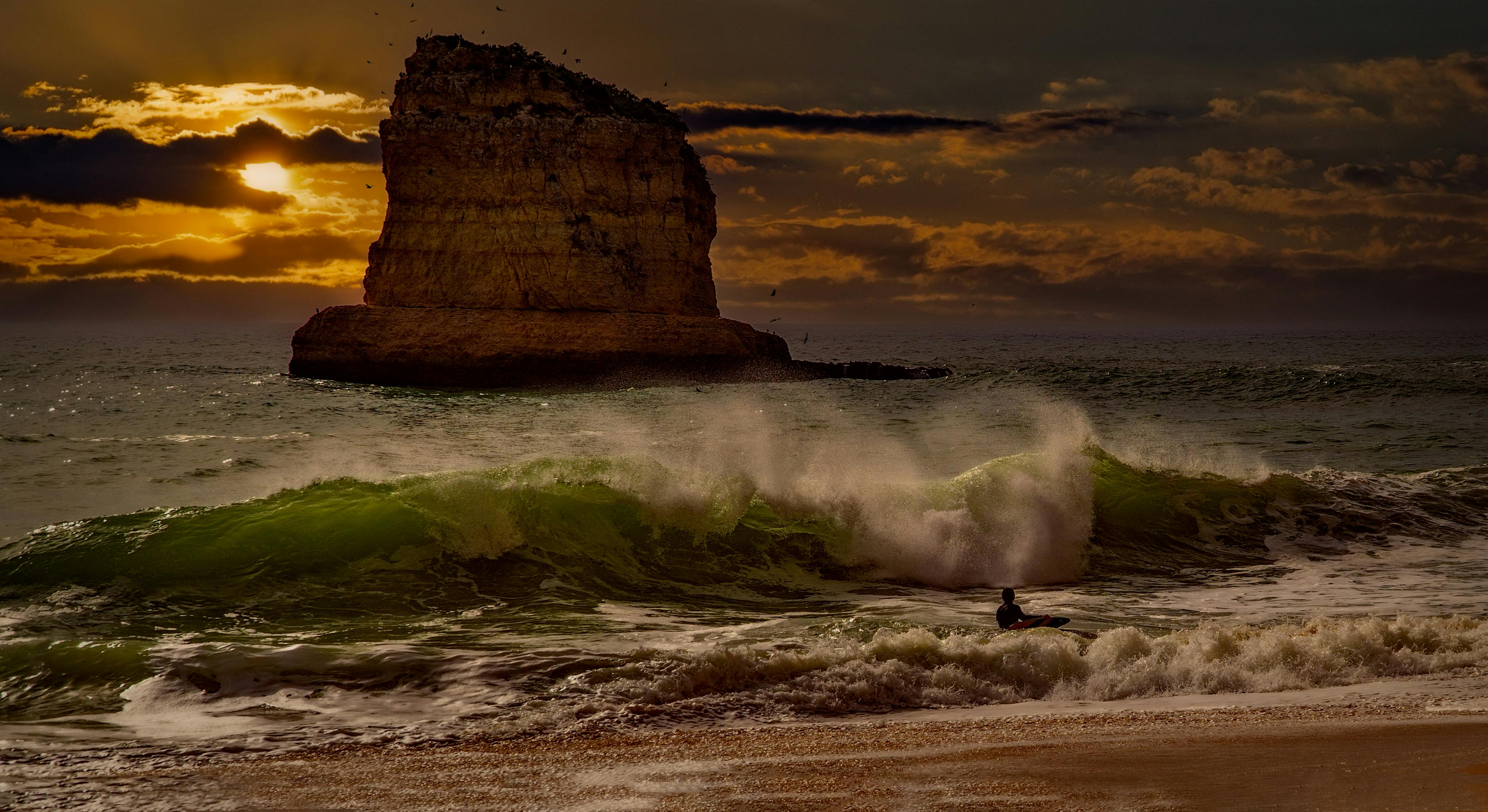
Seattle makes planning simple because it is the region’s natural hub for city time, ferries, and the big outdoor corridors. This 10-day route is built around the best Pacific Northwest road trip destinations that deliver the full mix in one trip: Seattle’s neighborhoods and museums, Puget Sound islands, Olympic Peninsula rainforest and coast, and Cascade Range alpine scenery.
We designed this as a transactional, book-ready framework you can follow as-is or customize based on your hiking comfort level, preferred lodging style, and how much Pacific Northwest camping you want to include.

10 Days At A Glance: Nature, City, Coast, And Islands
This plan keeps drive times logical by looping west to the Olympic Peninsula, then pivoting south and north into the Cascades. It also gives you multiple chances to use Washington State Ferries, which is a defining part of Washington travel.
|
Day |
Base |
Region Focus |
Signature Experiences |
|---|---|---|---|
|
1 |
Seattle |
City core |
Pike Place Market, waterfront walk, Seattle Aquarium |
|
2 |
Seattle |
Seattle Center + neighborhoods |
Space Needle, Chihuly Garden and Glass, MoPOP, viewpoints |
|
3 |
Seattle or Bainbridge |
Puget Sound |
Washington State Ferries, island town time |
|
4 |
San Juan Islands |
Islands + wildlife |
Whale watching window (late spring–early fall), Friday Harbor |
|
5 |
San Juan Islands |
Paddling + towns |
Sea kayaking, galleries, farm-to-table |
|
6 |
Olympic Peninsula |
Alpine to rainforest |
Hurricane Ridge, drive US-101 |
|
7 |
Olympic Peninsula coast |
Pacific coast |
Hoh Rainforest, Rialto Beach, tidepooling mindset |
|
8 |
Mount Rainier area |
Cascades |
Paradise meadows, Skyline Trail day hike |
|
9 |
North Cascades area |
Alpine + scenic drives |
North Cascades Highway, Diablo Lake viewpoints |
|
10 |
Seattle |
Return buffer |
Flexible city time, departure positioning |
Seattle City Core: Markets, Museums, And Waterfront Energy
Start with Seattle’s most walkable, high-reward neighborhoods. This is where we like to anchor your first two days so you can shake off travel, get oriented, and enjoy the city before the long scenic drives in PNW begin.
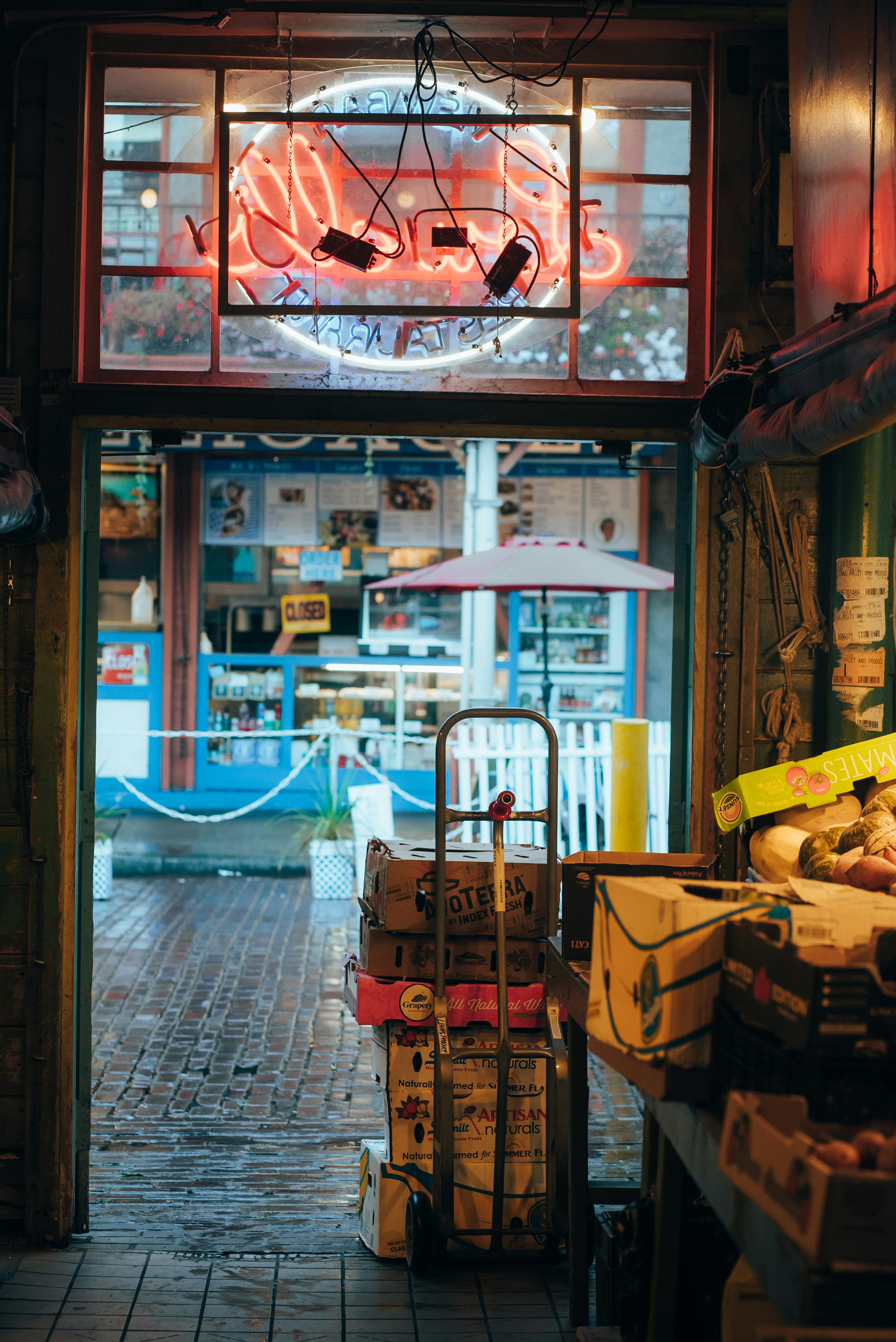
Downtown and the waterfront are built for easy wins. Pike Place Market gives you food stalls, specialty vendors, and that classic Seattle market buzz. The nearby waterfront piers keep the pace relaxed, and the Seattle Aquarium is a strong add-on when you want something indoor but still tied to the region’s marine ecosystem.
Seattle’s identity is also culinary. Coffee culture is everywhere, and seafood is a defining theme, especially salmon and Dungeness crab. We plan meals here intentionally because once you head into the peninsula and parks, dining gets simpler and more seasonal.
For a second-day structure, Seattle Center is the cleanest cluster. Space Needle delivers the iconic skyline view, and we pair it with Chihuly Garden and Glass and MoPOP for a full culture block that still feels light and fun.
If you want neighborhood texture, we rotate you through Capitol Hill and Queen Anne for dining and viewpoints. Kerry Park is a classic skyline stop, especially when you want a short outing with a big payoff.
For a quick nature reset without leaving town, Discovery Park trails and Myrtle Edwards Park are ideal. They keep you moving and set the tone for the outdoor-heavy days ahead, without turning the day into a logistics puzzle.
If you want more hiking right away, we can add a day hike like Rattlesnake Ledge, Mount Si, or Snoqualmie Falls as a short outing from Seattle. That also helps you calibrate footwear, layers, and trail comfort before you commit to bigger park hikes.
Puget Sound By Ferry: Bainbridge And Vashon As Easy Island Add-Ons
Puget Sound is a complex estuarine system with tidal channels, saltwater bays, and islands. For you, the practical takeaway is simple: ferries are not just transportation, they are part of the experience.
Washington State Ferries link Seattle with Bainbridge and Bremerton, and they are the easiest way to add an “island day” without breaking the itinerary. We like Bainbridge for a waterfront town feel and a low-effort scenic reset between city days and longer drives.
Vashon is another close option when you want a quieter island rhythm, especially if your trip is more about slow mornings, local food, and short drives.
This is also where we start shaping your trip into one of the best Pacific Northwest road trip destinations collections that feels personal. Some travelers want more museums and neighborhoods. Others want as many ferry crossings and saltwater views as possible. We can adjust the balance without changing the overall route.
San Juan Islands: Wildlife, Kayaks, And Small-Town Coastal Energy
The San Juan Islands are the region’s signature marine destination. The typical gateway is Anacortes for ferry departures, and from there you can build two or three days around wildlife viewing, paddling, and island towns.
Whale watching is a major draw here, with most organized outings concentrated in late spring through early fall. We plan this as a timed “anchor experience” because it is one of the most schedule-sensitive pieces of the trip.
Sea kayaking is the other defining activity. Protected channels and shoreline access make for excellent wildlife-oriented paddling, and guided eco-tours help you navigate tides and currents while keeping the focus on seals, sea lions, bald eagles, and seasonal birdlife.
Friday Harbor is a key town base, and it pairs well with galleries, local cuisine, and that classic island evening pace. Eastsound is another town option when your trip leans toward farm-to-table and a more boutique feel.
If your group wants to stay active, we can add island biking and short hikes, keeping the intensity moderate so you still have energy for the Olympic Peninsula and the Cascades.
Olympic Peninsula Loop: Rainforest, Ridge Views, And Rugged Coast
The Olympic Peninsula is where the Pacific Northwest’s ecological variety becomes real in a single loop. Olympic National Park spans alpine viewpoints, temperate rainforest, and rugged Pacific coastline.
We typically route you onto the peninsula with a ferry plus a drive, then connect into US-101, which circumnavigates much of the peninsula and links the major access points.
Hurricane Ridge is the alpine highlight. It is a strong first stop because it delivers big views quickly and sets up short hikes that do not require an all-day commitment.
From there, the rainforest and coast become the story. The Hoh Rainforest is the classic moss-draped, old-growth experience, with short interpretive trails and boardwalk-style walking that works well even if your trip includes a wide range of fitness levels.
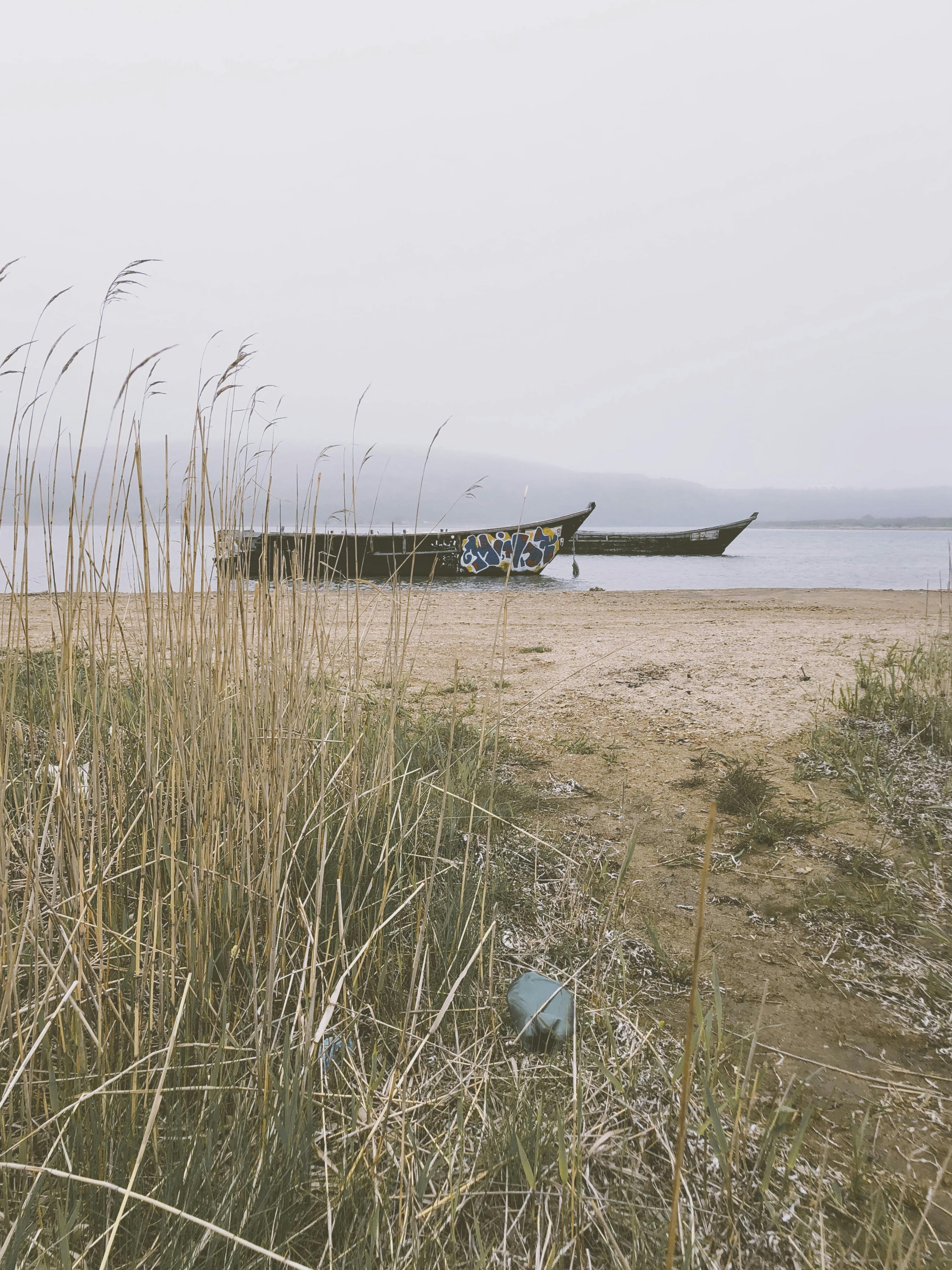
Rialto Beach and Ruby Beach deliver the rugged coastline visuals: sea stacks, long beaches, and tidepool potential. Coastal access is shaped by tides, currents, and surf conditions, so we build this day with flexibility and a safety-first approach.
This section is also a natural home for Pacific Northwest camping if you want it. Coastal and forested campgrounds can fill quickly in summer, so we treat campsite selection as a core decision rather than an afterthought.
Cascade Range Highlights: Mount Rainier And North Cascades In One Trip
The Cascade Range adds alpine peaks and glaciated landscapes that feel completely different from the coast. In a 10-day plan, we focus on Mount Rainier National Park and a North Cascades extension.
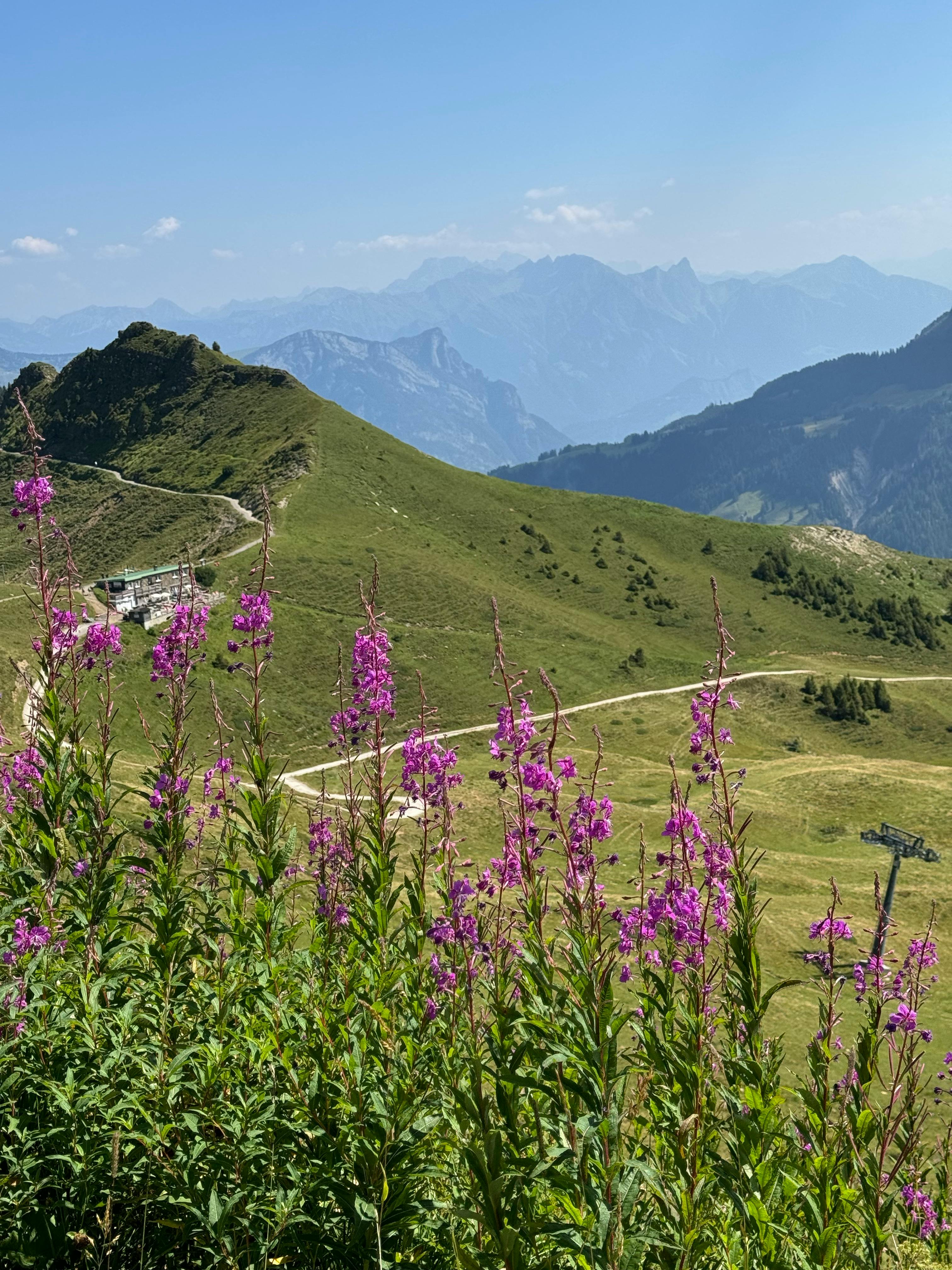
Mount Rainier works well because it has distinct visitor areas. Paradise is famous for meadow walks and the Skyline Trail day hike. Sunrise adds high-elevation viewpoints and a different angle on the mountain.
North Cascades National Park is more rugged and has fewer developed visitor services. That is part of the appeal. When we include it, the trip becomes a stronger match for travelers who want fewer crowds and more dramatic mountain scenery.
The North Cascades Highway is one of the defining scenic drives in PNW, and we like to pair it with short hikes and viewpoints around Ross Lake and Diablo Lake.
This is also where we can tune your itinerary around the best hiking trails in PNW style you want. Some groups prefer short iconic walks and visitor center stops. Others want steeper, more remote routes that require early starts and careful planning.
Optional Add-On: Mount St. Helens And The Volcanic Landscape Story
Mount St. Helens National Volcanic Monument adds a powerful geology and recovery narrative to your route. Visitor centers and trails interpret the 1980 eruption’s landscape and ongoing ecological change.
This is a strong add-on when you want variety beyond rainforest and alpine meadows. It also pairs well with travelers who enjoy interpretive stops and big-picture landscape context.
Optional Extension: Columbia River Gorge And Eastward Contrast
The Columbia River Gorge is centered in Oregon and southern Washington, but it is reachable with a multi-day extension from Seattle. It brings waterfalls, river recreation, and another set of scenic drives in PNW that feel distinct from the peninsula loop.
If you want even more contrast, eastern Washington’s drier landscapes and wine regions provide a different side of Washington travel, with a high-desert feel compared to the marine west.
For travelers combining this with an Oregon road trip, the Gorge can become a natural connector between Washington and Oregon route planning.
When To Go: Seasonality That Changes The Whole Experience
Summer (June–September) is the warmest and driest window. It is prime time for hiking, marine wildlife viewing, ferry travel, and Pacific Northwest camping. It is also the busiest, so we plan around crowds and reservation pressure.
Shoulder seasons (April–May, October–November) bring fewer crowds and a different mood. Spring is strong for waterfalls and wildflowers. Fall adds changing foliage, with the possibility of early snow at higher elevations.
Winter (December–March) shifts the trip into rain on the coast and snow in the mountains. This is when ski areas at Snoqualmie Pass and Stevens Pass become relevant, and coastal storm-watching becomes a popular theme, with careful attention to surf and tides.
For deeper planning, the National Park Service is the most reliable source for current conditions, alerts, and operating status. Use National Park Service trip planning resources to verify seasonal access before you lock in dates.
Logistics That Make Or Break A PNW Road Trip
Seattle–Tacoma International Airport (SEA) is the primary arrival point for most visitors, and Seattle is the best base for the first nights of the trip.
Driving is straightforward on the main corridors. Interstate 5 is the north–south spine. US-101 is the Olympic Peninsula loop road.
Ferries are a key tool. Schedules vary seasonally, and reservations are available on some routes and recommended during peak periods. If ferries are central to your plan, confirm schedules directly with Washington State Ferries schedules and updates.
Public transit works well for Seattle days, especially Link Light Rail and buses, but a rental car or private vehicle is typical once you leave the city.
Cell coverage can be limited in backcountry and island locations. We plan routes and days so you are not relying on last-minute signal for critical navigation.
Lodging And Trip Style: Hotel Comfort Vs Pacific Northwest Camping
Your accommodation mix shapes your pace.
Urban hotels and short-stay rentals are concentrated in Seattle and larger towns. Lodges and cabins are found within and near national parks and forested areas. Campgrounds range from developed sites to more remote options depending on land management rules.
If your priority is Pacific Northwest camping, we plan it as a system:
-
Choose which nights are best for camping (coast, rainforest side, or mountain corridor)
-
Keep driving days shorter on camp nights
-
Build a weather buffer for the coast and alpine zones
-
Pair campground locations with the next morning’s trailhead or ferry departure
If you want a hybrid approach, we typically place hotels on transition days and camp on “deep nature” days. That keeps comfort high and logistics clean.
Permits, Entry Passes, And Reservations To Expect
National parks and some state parks charge entrance fees. Backcountry permits and campsite reservations may be required depending on where you go and how you travel.
Overnight backcountry use in national parks typically requires permits, and wilderness regulations vary by agency and region. For most travelers on a 10-day loop, the key is deciding whether you want day hikes only or any overnight wilderness components.
Ferry and boat reservations matter in summer, especially if you are traveling with a vehicle.
Guided activities like whale watching, sea kayaking, and specialized guided hikes often require advance booking. We treat these as “fixed points” first, then build the rest of the itinerary around them.
Hiking, Wildlife, And Water Days: How We Match Activities To Your Group
This region supports everything from short city walks to multi-day alpine routes. We keep it simple by aligning each day with one primary outdoor objective.
For hiking days, we match trail difficulty to fitness and current conditions. Mount Rainier and the North Cascades can shift fast with weather, so we plan early starts and layered clothing as the default.
For wildlife days, we plan respectful distances and binocular-friendly viewing. Marine mammals and birds are a major theme in the San Juan Islands, and guided tours add interpretation and improve your odds of meaningful sightings.
For water days, sea kayaking and paddleboarding work best in calmer channels and protected coves. Guided trips supply gear, route planning with tides and currents, and a safety briefing.
If your trip is photography-forward, we can schedule sunrise and sunset sessions at alpine viewpoints or coastal beaches for the best light.
For more inspiration on how we approach hiking-focused travel planning, our broader resource hub is here: our hiking guide collection.
Responsible Travel In The PNW: Simple Rules With Big Impact
Weather variability is real here, especially in alpine and coastal areas. We plan with forecasts and seasonal advisories in mind, and we keep days flexible enough to adjust without losing the trip’s highlights.
Coastal tidepooling and beach walks require tide awareness. Strong currents and large surf can change what is safe and reachable.
Wildlife safety is non-negotiable. Keep distance, never feed wildlife, and secure food at campsites to avoid attractants.
Leave No Trace is the baseline. Stay on established trails, pack out waste, and respect closures and signage.
How This Route Supports An Oregon Road Trip Add-On
If you want to turn this into a Washington plus Oregon combo, we build from the same core loop and then extend south.
The Columbia River Gorge becomes a natural connector, and from there an Oregon road trip can continue toward coastal communities, inland wine country, or additional waterfall corridors depending on your style.
This is one of the fastest ways to expand beyond the best Pacific Northwest road trip destinations around Seattle while still keeping the trip coherent.
For more road trip inspiration across the country, we keep an updated list here: our favorite USA road trip ideas.
Decision Point: Choose Your 10-Day PNW Build
This 10-day structure is designed to be booked as a complete loop or customized into a more city-forward, island-forward, or hiking-forward trip.
Common customization directions we build:
-
More islands and marine time (add an extra San Juan day, add more kayaking)
-
More PNW national parks focus (add time at Mount Rainier and North Cascades)
-
More hiking intensity (prioritize longer day hikes and earlier starts)
-
More comfort (more hotel nights, fewer transitions)
-
More Pacific Northwest camping (coast plus mountains, with reservation strategy)
[Primary CTA: Book Now]
[Secondary CTA: Customize Itinerary]
Helpful Planning Resources We Use When Building Your Trip
When you are comparing route options, it helps to see how different national park trips are structured. These guides give you a framework for pacing, park day design, and road-trip flow:
-
national park itinerary ideas for trip structure patterns
-
guide to all US national parks for broader park planning context
-
our favorite US national parks list when you want comparison inspiration
Packing And Gear: The Short List That Covers Most Trips
The Pacific Northwest’s weather is variable year-round, so we plan for layers:
-
Base layers, insulating midlayers, and a waterproof outer layer
-
Supportive hiking shoes or boots for trails
-
Water shoes or sandals for beaches and tidepool zones
-
Daypack, water, map or GPS, first-aid kit, headlamp, sun protection
-
Binoculars for wildlife viewing
If your plan includes more advanced alpine routes, additional equipment may be necessary depending on conditions.
Your 10-Day Route Summary For Booking
You get a complete Pacific Northwest arc in one trip: Seattle’s city core, Puget Sound ferries, San Juan wildlife and paddling, Olympic National Park rainforest and coast, and Cascade Range alpine scenery.
It is a clean, flexible way to experience the best Pacific Northwest road trip destinations without wasting days on backtracking, and it supports add-ons for PNW national parks, best hiking trails in PNW, and scenic drives in PNW depending on how you want to travel.